What Is an IWB Holster and How to Use It
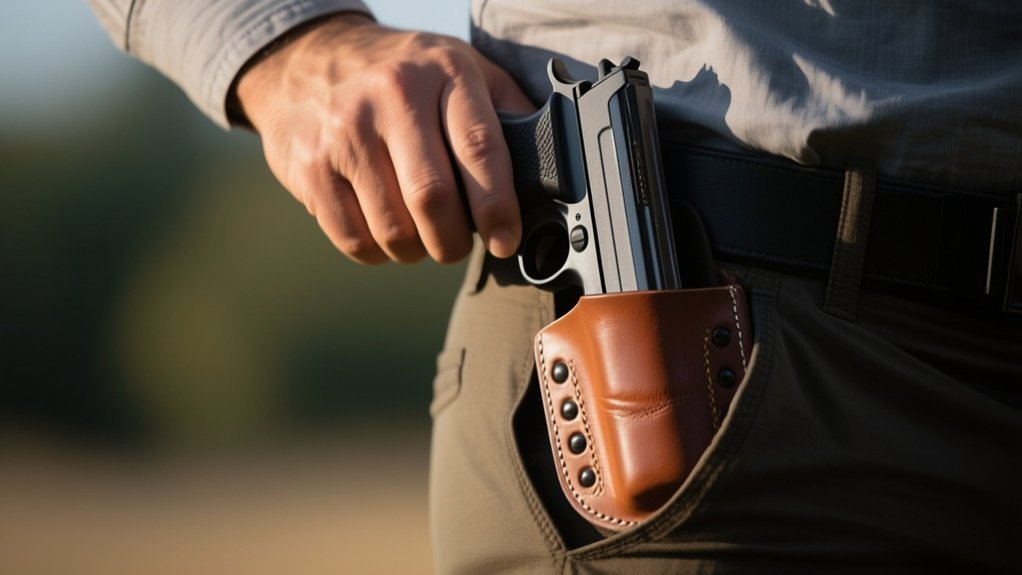
An IWB (Inside Waistband) holster lets you carry your firearm discreetly by fitting it inside your waistband, close to your body for easy concealment and quick access. You secure it with a clip on your belt, adjusting the angle and height for comfort and fast drawing. It works best with loose clothing and a sturdy belt to support weight. If you want to carry comfortably and confidently, you’ll find plenty more tips on choosing, wearing, and maintaining one.
What Is an IWB Holster and How It Works
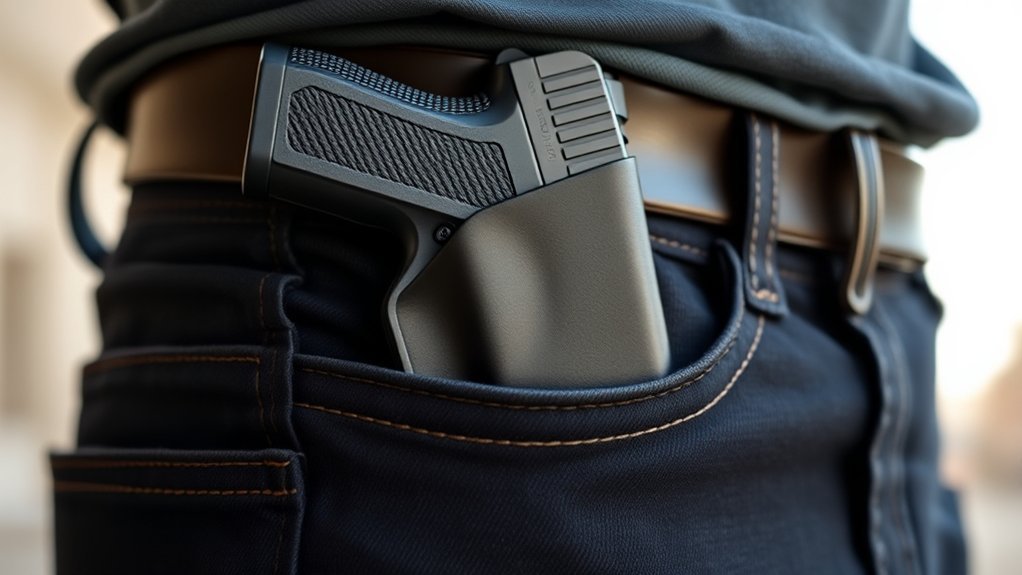
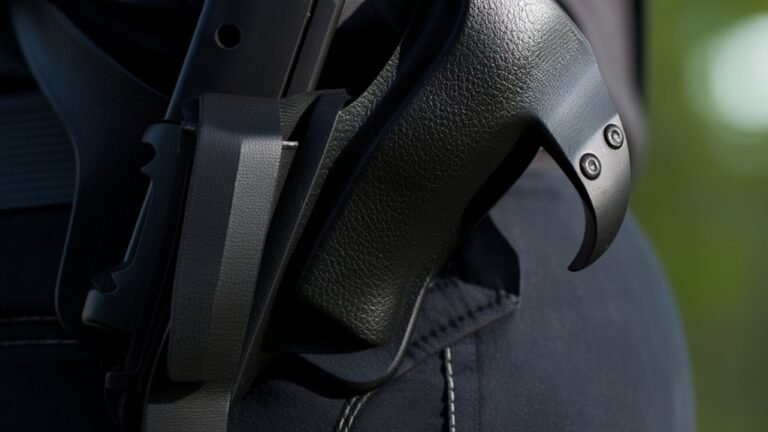
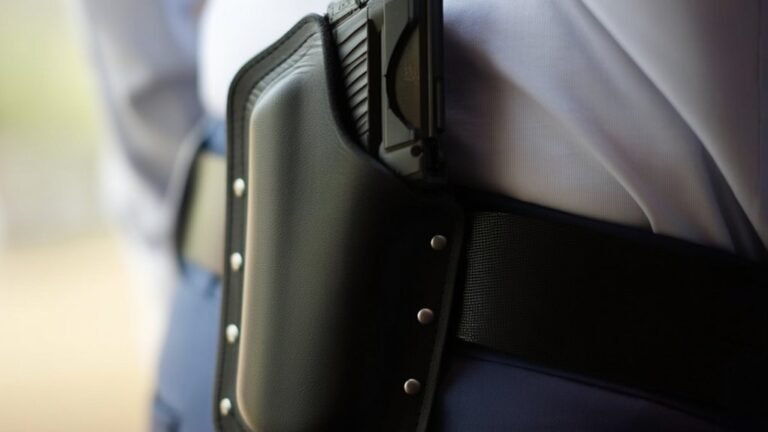
Although it might seem complicated at first, an IWB holster is simply a small, secure case designed to hold your firearm inside your waistband. You slide it between your pants and body, keeping the gun close and concealed.
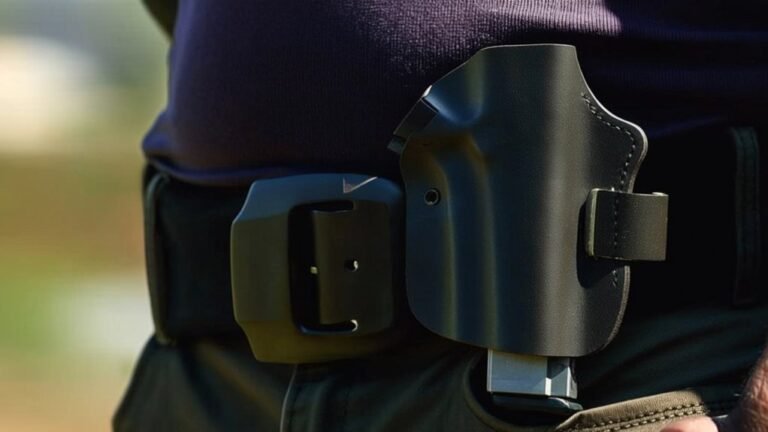
The holster usually has a clip or loop that attaches to your belt, ensuring it stays in place. When you draw your weapon, you pull it upward out of the holster smoothly.
The design keeps your firearm snug against your hip, reducing printing or visible outlines. You’ll find IWB holsters made from various materials like leather, Kydex, or nylon, each offering different levels of comfort and retention.
Understanding this helps you carry safely and discreetly every day.
Benefits of Using an IWB Holster for Concealed Carry
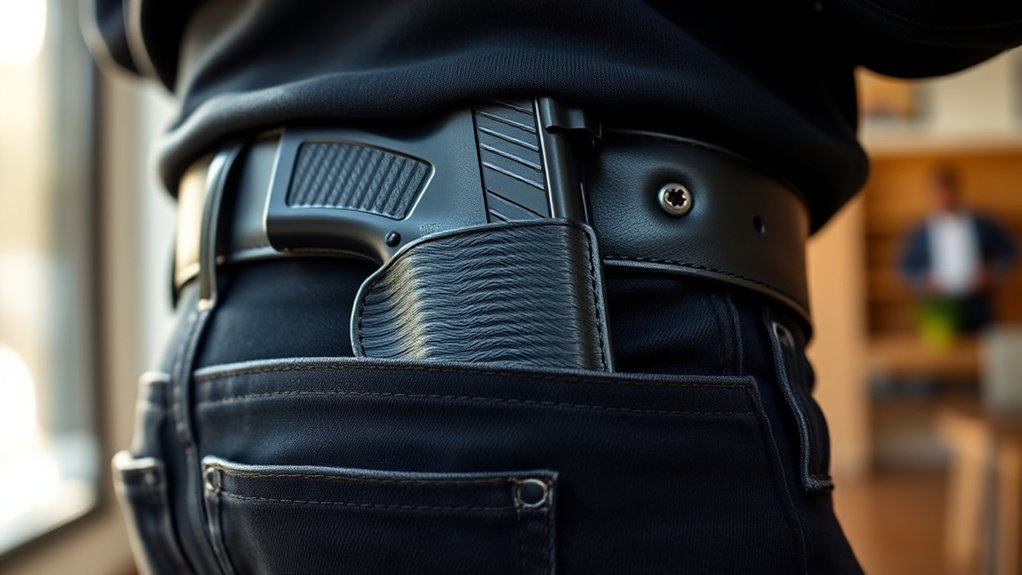
When you choose an IWB holster for concealed carry, you gain several key advantages that enhance both comfort and security. This style keeps your firearm close to your body, making it easier to conceal under clothing. You also benefit from better retention, reducing the risk of your weapon falling out or being grabbed by someone else. Plus, IWB holsters distribute weight evenly, so you won’t feel uncomfortable during long wear.
| Benefit | Explanation |
|---|---|
| Better Concealment | Keeps the firearm hidden under clothing |
| Enhanced Security | Retains weapon firmly in place |
| Comfort | Distributes weight close to your body |
| Quick Access | Allows fast drawing when needed |
When Not to Use an IWB Holster: Limitations and Alternatives
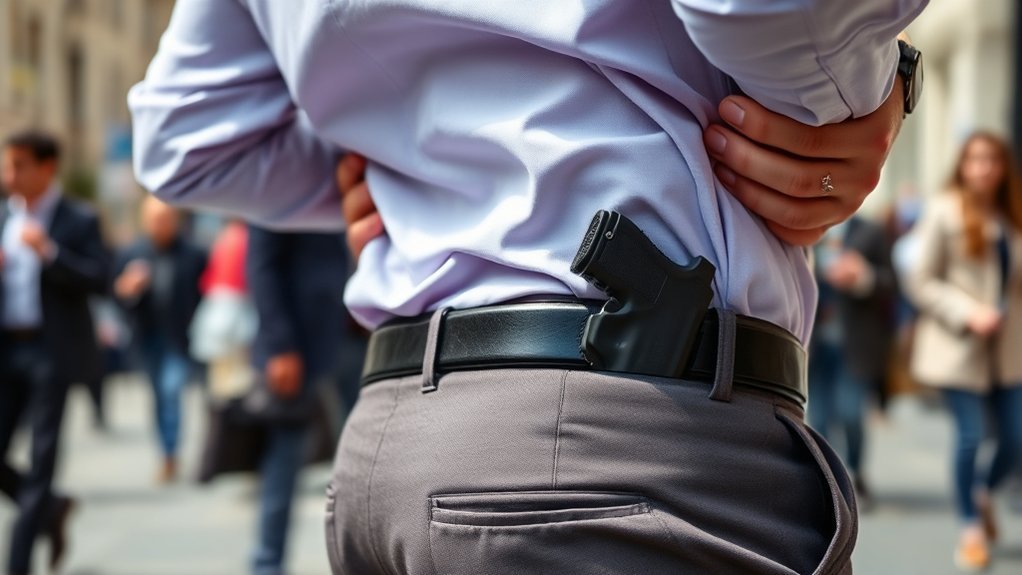
While IWB holsters offer many benefits like comfort and concealment, they aren’t ideal for every situation or user. If you wear tight or thin clothing, an IWB holster might print or cause discomfort.
Also, if you have limited mobility or find reaching inside your waistband awkward, this style may slow your draw.
In hot weather, carrying inside your waistband can increase sweating and skin irritation.
For active scenarios like running or bending frequently, you might find an IWB holster less stable.
In these cases, consider alternatives like outside-the-waistband (OWB) holsters, shoulder holsters, or pocket holsters.
These options can improve accessibility, comfort, or concealment depending on your lifestyle and clothing choices.
Knowing when to switch holster types guarantees you stay safe and comfortable.
Different Types of IWB Holsters Explained
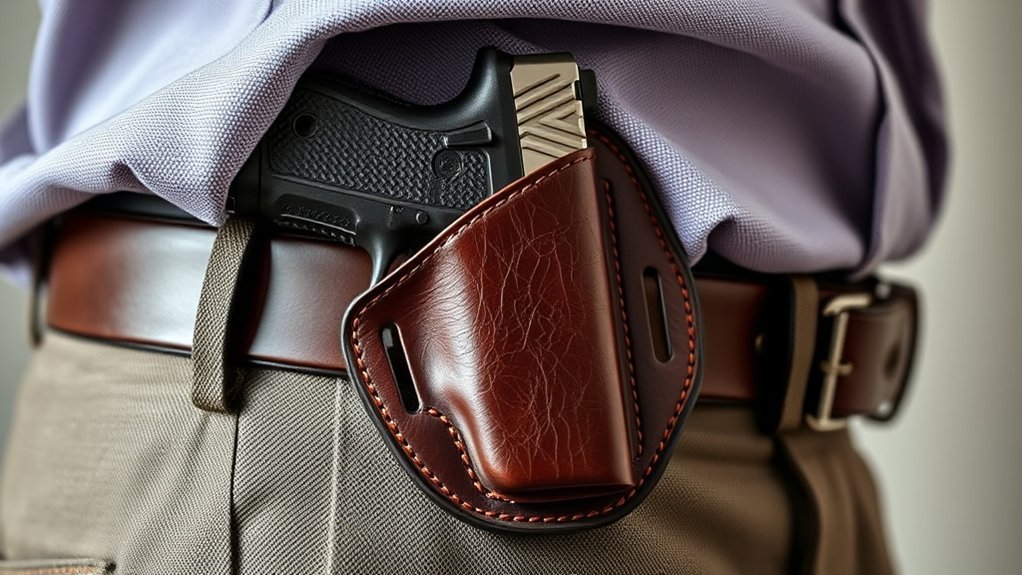
Since IWB holsters come in various designs, understanding their differences helps you choose the right one for your needs. You’ll find holsters made from leather, Kydex, or hybrid materials, each offering distinct comfort and retention levels. Some feature adjustable cant angles, while others prioritize minimal printing or quick draw.
Here’s a quick overview:
| Type | Material | Key Feature |
|---|---|---|
| Leather | Leather | Comfort, classic |
| Kydex | Molded Plastic | Retention, durability |
| Hybrid | Leather + Kydex | Comfort + retention |
| Neoprene | Synthetic Fabric | Soft, flexible |
| Minimalist | Thin Kydex/Leather | Low profile, concealment |
Knowing these types lets you select an IWB holster tailored for your everyday carry style.
How to Choose the Right IWB Holster for Your Firearm
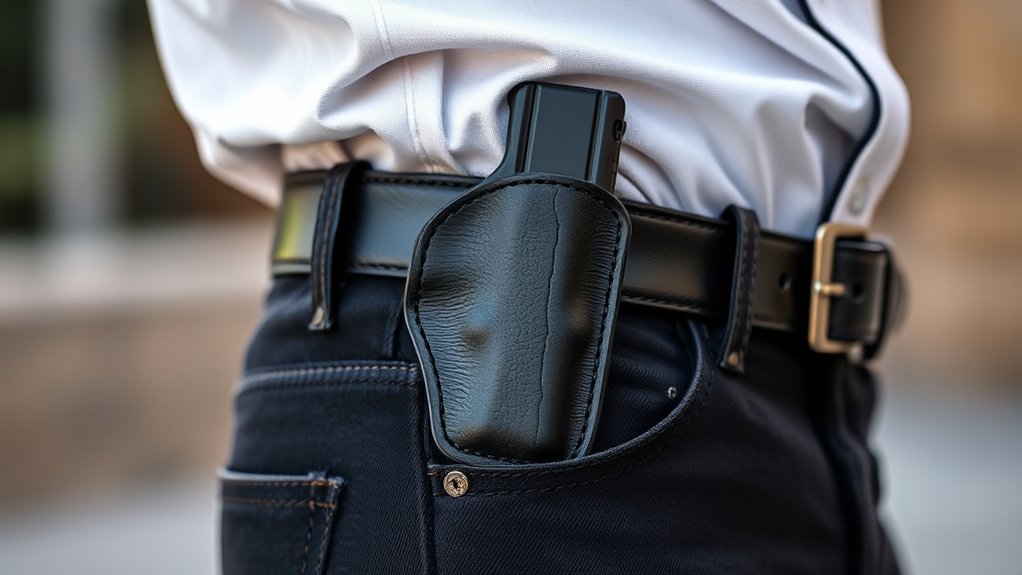
Choosing the right IWB holster for your firearm hinges on balancing comfort, concealment, and accessibility. You’ll want a holster that fits your gun perfectly, keeps it secure, and allows for a smooth draw. Here’s what to take into account:
- Material: Choose between leather, Kydex, or hybrid options. Leather molds to your body, Kydex offers rigid retention, and hybrids combine both benefits.
- Fit and Retention: Make sure the holster is specifically molded for your firearm model. Proper retention prevents shifting and accidental drops but shouldn’t hinder a quick draw.
- Carry Position: Decide where you’ll wear it (e.g., appendix, hip). Some holsters adjust for cant and ride height, improving concealment and access.
Wearing Your IWB Holster Comfortably
To wear your IWB holster comfortably, focus on proper positioning that suits your body shape and daily activities.
Pay attention to your clothing choices, as fabric thickness and fit can affect comfort and concealment.
Adjusting these factors will help you carry with ease throughout the day.
Proper Positioning Tips
Although wearing an IWB holster might feel unfamiliar at first, positioning it correctly can make all the difference in comfort and accessibility. Finding the right spot on your waistband guarantees your firearm stays secure and easy to reach.
Here are three tips to help you position your holster properly:
- Choose the Right Angle – Adjust the cant (angle) of the holster to suit your draw style, usually between 10 to 20 degrees for quick access.
- Find Your Sweet Spot – Common locations include the appendix, hip, or behind the hip; test each to see what feels natural and comfortable.
- Consider Ride Height – Position the holster so it rides just below the belt line, preventing printing and reducing discomfort when sitting or moving.
Try these tips to improve your IWB holster experience.
Clothing Considerations
When you wear an IWB holster, your clothing plays a crucial role in comfort and concealment. Choose shirts and jackets that are loose enough to prevent printing but fitted enough to avoid excess bulk.
Thicker fabrics or patterned materials help mask the outline of your firearm. Avoid tight belts or pants that dig into your waist, as they can make wearing your holster uncomfortable and draw unwanted attention.
Opt for pants with a higher rise to better support the holster and keep it stable. Layering with an untucked shirt or lightweight jacket can also improve concealment without restricting movement.
Paying attention to your clothing choices ensures you carry your IWB holster comfortably while keeping your firearm discreet and accessible.
Best Clothing Choices for Wearing an IWB Holster
To wear your IWB holster comfortably and discreetly, you’ll want to pick clothing made from soft, breathable fabrics that won’t irritate your skin.
Make sure your clothes fit well—not too tight or too loose—to keep everything in place without printing.
Layering smartly can also help you conceal your holster while staying comfortable throughout the day.
Comfortable Fabrics Matter
Since comfort plays a crucial role in successfully carrying an IWB holster, choosing the right fabrics can make all the difference. You want materials that breathe well and reduce irritation during long wear. Avoid stiff or rough fabrics that can chafe your skin or make the holster press uncomfortably.
Here are three fabric types to contemplate:
- Cotton blends – Soft, breathable, and gentle on your skin, cotton blends help wick moisture away.
- Performance fabrics – Moisture-wicking synthetics like polyester or nylon keep you dry and comfortable.
- Stretch fabrics – Materials with a bit of spandex or elastane offer flexibility, letting your clothing move naturally with the holster.
Picking the right fabric helps you stay comfortable and discreet throughout your day.
Choosing the Right Fit
Although finding comfortable fabrics is essential, you also need to focus on selecting clothing that fits well to conceal your IWB holster effectively.
Clothes that are too tight may print the outline of your holster, making it obvious. On the other hand, overly loose garments can look bulky and draw unwanted attention.
Aim for a fit that’s tailored but allows enough room for the holster without clinging to your body. Shirts with a bit of stretch or those designed for active wear often work well.
Avoid overly thin materials that might reveal the holster’s shape. Remember, your goal is to balance concealment with comfort, so choose pieces that move naturally with you and maintain a clean silhouette throughout your day.
Layering for Concealment
When you layer your clothing thoughtfully, you can enhance concealment without sacrificing comfort. Wearing an Inside-the-Waistband (IWB) holster means you need to consider how your clothes hide the firearm while allowing easy access.
Here are three tips to help you layer effectively:
- Start with a fitted base layer – A snug undershirt prevents printing and keeps the holster secure against your body.
- Add a loose, breathable shirt – Choose a button-down or polo that drapes naturally to conceal the gun’s outline.
- Top it off with a jacket or sweater – This extra layer masks any slight bulges and completes your discreet look.
Safe Drawing Tips for IWB Holsters
Mastering safe drawing techniques with an IWB holster is crucial to prevent accidents and guarantee quick, smooth access to your firearm.
First, always keep your finger off the trigger until you’ve fully drawn and identified your target.
Use a firm, consistent grip as you reach inside your waistband to avoid fumbling.
Practice drawing slowly at first to build muscle memory, focusing on smooth, deliberate movements.
Keep your non-dominant hand clear of the holster area to avoid accidental contact with the trigger.
Confirm your clothing doesn’t snag on the firearm during the draw by adjusting your cover garment and holster position.
Regular dry-fire practice with your IWB holster will increase confidence and speed while maintaining safety.
These steps help you draw safely and efficiently when it counts.
Common IWB Holster Mistakes to Avoid
If you want your IWB holster to serve you well, you need to avoid common mistakes that can compromise comfort, accessibility, and safety. Paying attention to these pitfalls will guarantee your holster works properly and keeps you safe.
- Choosing the Wrong Holster Size: Using a holster that doesn’t fit your firearm snugly can cause retention issues or make drawing difficult. Always pick a holster designed for your specific gun model.
- Ignoring Holster Positioning: Placing the holster too far forward or backward can cause discomfort and affect quick access. Proper placement on your waistband is essential.
- Neglecting Regular Maintenance: Dirt and sweat buildup can degrade holster materials and retention. Clean and inspect your holster regularly to maintain its function and longevity.
Adjusting Your IWB Holster for Fit and Concealment
To get the best fit and concealment, you’ll want to adjust the cant angle of your IWB holster to match your draw style.
Pay close attention to how the holster sits on your waistband and experiment with placement for comfort and discretion.
Small tweaks can make a big difference in how easily you carry and access your firearm.
Adjusting Cant Angle
Although your IWB holster may feel secure, adjusting the cant angle can markedly improve both comfort and concealment. The cant angle is the tilt of your holster relative to your body, influencing how easily you can draw and how well your firearm tucks under clothing.
To adjust it effectively, follow these steps:
- Experiment with angles: Start with your holster straight up (0 degrees) and adjust in small increments toward forward or backward cant until you find the most natural draw and concealment.
- Test movement: Walk and sit to ensure the angle doesn’t cause discomfort or printing.
- Fine-tune for your body: Tailor the cant to your torso shape and daily activities for maximum comfort and stealth.
Adjusting the cant angle tailors your setup for seamless carry and quick access.
Optimizing Waistband Placement
When you adjust your IWB holster’s waistband placement, you directly impact both comfort and concealment throughout your day. Start by experimenting with different positions along your waistband—front, side, or back—to find what feels most natural and hides your firearm best.
Keep in mind your body shape and clothing style; slight shifts can prevent printing and improve access. Verify the holster sits securely without digging into your skin or restricting movement.
You might need to reposition your belt or adjust your pants’ fit to support the holster properly. Regularly test your draw to confirm smooth, unobstructed access.
Cleaning and Maintaining Your IWB Holster
Properly cleaning and maintaining your IWB holster guarantees it stays reliable and comfortable over time. Dirt, sweat, and oils can degrade materials, so regular care is vital. Here’s how to keep your holster in top shape:
- Wipe Down Regularly – Use a damp cloth to remove surface dirt and sweat after each use. Avoid soaking it, especially if it’s leather.
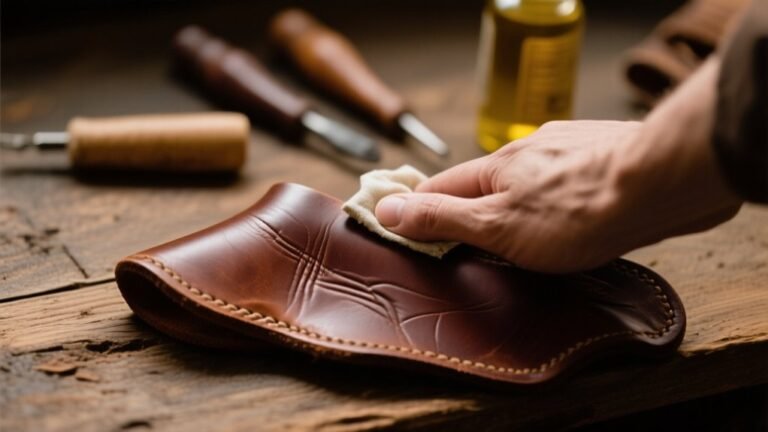
- Condition Leather Holsters – Apply a leather conditioner every few months to keep it supple and prevent cracking.
- Inspect for Damage – Check clips, stitching, and the holster body for wear or damage. Repair or replace parts before they fail.
Following these steps ensures your IWB holster remains dependable and comfortable during daily carry.
How to Practice Drawing and Reholstering With an IWB Holster
Since drawing and reholstering from an IWB holster requires smooth, deliberate movements, practicing regularly helps you build muscle memory and confidence. Start by ensuring your firearm is unloaded and using snap caps for safety.
Practice drawing slowly, focusing on a firm grip and a straight, controlled motion. Reholstering is just as important—keep your finger off the trigger and guide the firearm carefully back into the holster without rushing.
Begin in front of a mirror or with a training partner to check your form and avoid bad habits. Gradually increase your speed as you become more comfortable.
Consistent practice in different positions, like standing or seated, will prepare you for real-life situations and make your draw and reholster instinctive.
How IWB Holsters Compare to Other Carry Options
How does an IWB holster stack up against other carry options? You’ll find it offers a unique balance of concealment, comfort, and accessibility.
Unlike outside-the-waistband (OWB) holsters, IWB holsters tuck your firearm inside your waistband, making it easier to conceal under clothing.
Compared to pocket carry, IWB holsters generally provide better retention and a more natural draw angle.
Here are three key ways IWB holsters compare:
- Concealment: IWB holsters hide your firearm more effectively than OWB but may be less discreet than pocket carry for smaller guns.
- Comfort: They distribute weight close to your body, often feeling more comfortable for all-day wear than OWB holsters.
- Accessibility: IWB holsters give you a quick, consistent draw, usually faster than pocket or ankle carry options.
Recommended IWB Holsters for Beginners and Experienced Users
When choosing an IWB holster, you’ll want options that suit your skill level and comfort.
Beginners benefit from holsters that offer easy adjustment and secure retention.
If you’re experienced, you’ll appreciate holsters with advanced features and customization.
Best Holsters For Beginners
Looking for the best IWB holster as a beginner can feel overwhelming, but choosing the right one makes all the difference in comfort and safety. You want a holster that’s easy to use, secure, and comfortable for daily wear.
Here are three top picks to get you started:
- Alien Gear Cloak Tuck 3.0 – Offers adjustable retention and soft neoprene backing for comfort.
- CrossBreed Supertuck – Combines leather and Kydex for durability and a great fit.
- Vedder LightTuck – Lightweight, slim, and adjustable for cant and retention.
These holsters balance ease of use with reliable security, making them ideal choices as you get familiar with IWB carry.
Top Choices For Experts
What sets expert-level IWB holsters apart from beginner options is their blend of advanced features and customization. If you’re ready to upgrade, consider options like the CrossBreed SuperTuck or the Alien Gear Cloak Tuck 3.0.
These holsters offer adjustable retention, multiple cant angles, and superior comfort for all-day wear. You’ll appreciate the durable materials and enhanced concealment they provide, even with larger firearms.
For a minimalist approach, the Vedder LightTuck delivers sleekness without sacrificing security.
As an experienced user, you want a holster that adapts to your carry style and provides quick, smooth draws. Choosing one of these expert-favored holsters guarantees you get reliability, comfort, and versatility every time you carry.
Staying Comfortable Wearing an IWB Holster All Day
Although carrying an IWB holster all day can seem challenging, you can stay comfortable by choosing the right fit and adjusting your carry position. Start by selecting a holster made from breathable materials to reduce sweat and irritation.
Next, find a spot on your waistband where the holster doesn’t press too hard against your body or interfere with your movement. Finally, wear clothing that complements your holster, like slightly looser shirts or pants with a bit of stretch.
Here are three tips to help you stay comfortable:
- Adjust your carry angle – Slight changes can reduce pressure points.
- Use a quality belt – A sturdy belt supports the holster and distributes weight.
- Take breaks when possible – Periodically shifting your holster can ease discomfort.
Frequently Asked Questions
Can I Use an IWB Holster for Left-Handed Carry?
Yes, you can use an IWB holster for left-handed carry. Just make sure to choose one designed specifically for left-handed use, so it fits comfortably and allows quick, safe access when you draw your firearm.
Are IWB Holsters Legal in All States?
IWB holsters are generally legal in all states, but you should check your local laws since regulations vary. Make sure you comply with carry permits and concealment rules to avoid any legal issues while carrying.
How Do I Prevent Sweat Damage to My Firearm in an IWB Holster?
Like a Victorian gentleman protecting his pocket watch, you can prevent sweat damage by choosing holsters with moisture-wicking materials, regularly cleaning your firearm, and using desiccant packs. Don’t forget to air out your holster daily!
Can IWB Holsters Accommodate Firearms With Attachments Like Lights?
Yes, some IWB holsters can fit firearms with attachments like lights, but you’ll need to choose models specifically designed for that. Make sure the holster securely holds your gun and light without causing discomfort or damage.
What Accessories Enhance IWB Holster Functionality?
You can enhance your IWB holster’s functionality with accessories like sweat guards, adjustable cant clips, and claw attachments. Adding padding or moisture-wicking liners also boosts comfort and retention during extended wear.
Conclusion
Choosing the right IWB holster can truly make all the difference in your concealed carry experience. Remember, “an ounce of prevention is worth a pound of cure”—investing time to find a comfortable, secure fit helps you stay safe and confident. Practice drawing and reholstering regularly, and don’t hesitate to explore different types until you find what works best for you. With the right holster, you’ll carry smarter, not harder.