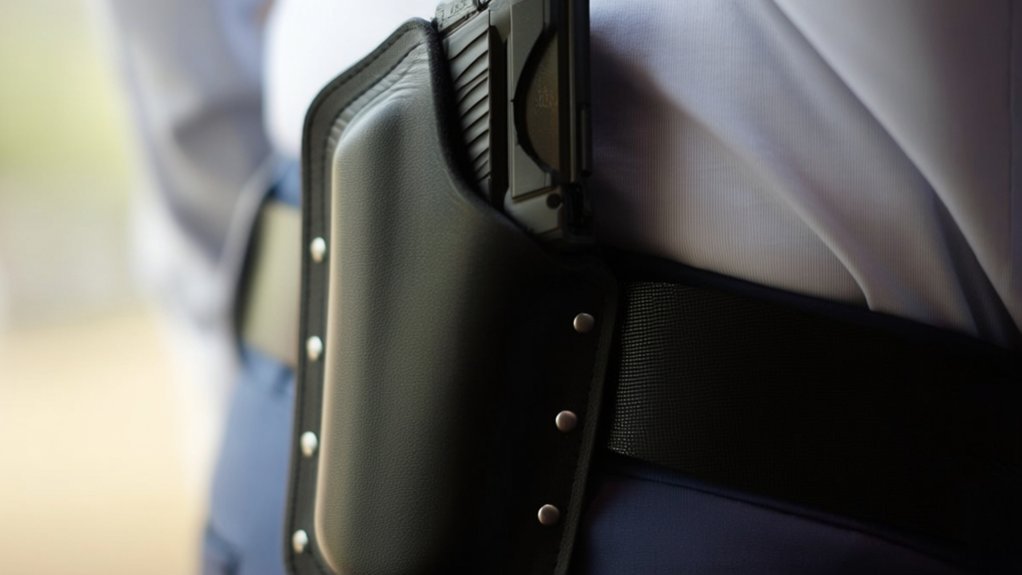
What Is an Appendix Carry Holster and How to Use It
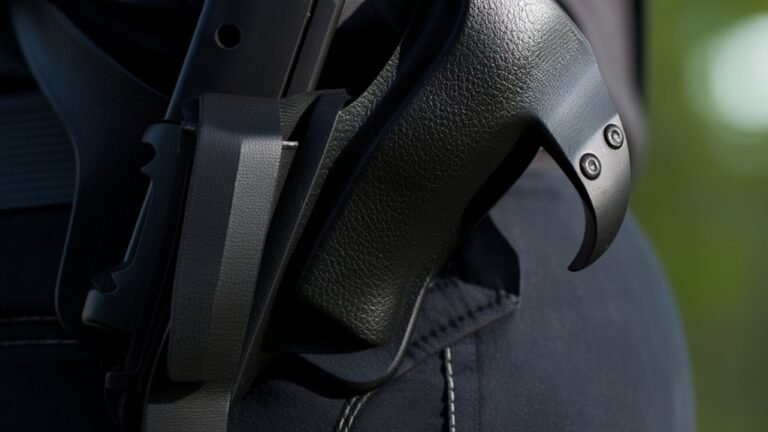
An appendix carry holster positions your firearm at the front of your body, near the appendix area, for quick access and better concealment. It’s ideal for compact, lightweight guns and offers comfort, especially when seated. You’ll find the holster sits at about 1 o’clock, allowing a smooth, natural draw while keeping your weapon secure. Using it safely means practicing slow, deliberate draws and maintaining trigger discipline. Keep going, and you’ll discover how to perfect comfort, safety, and care with appendix carry.
What Is Appendix Carry and Why Is It Popular?
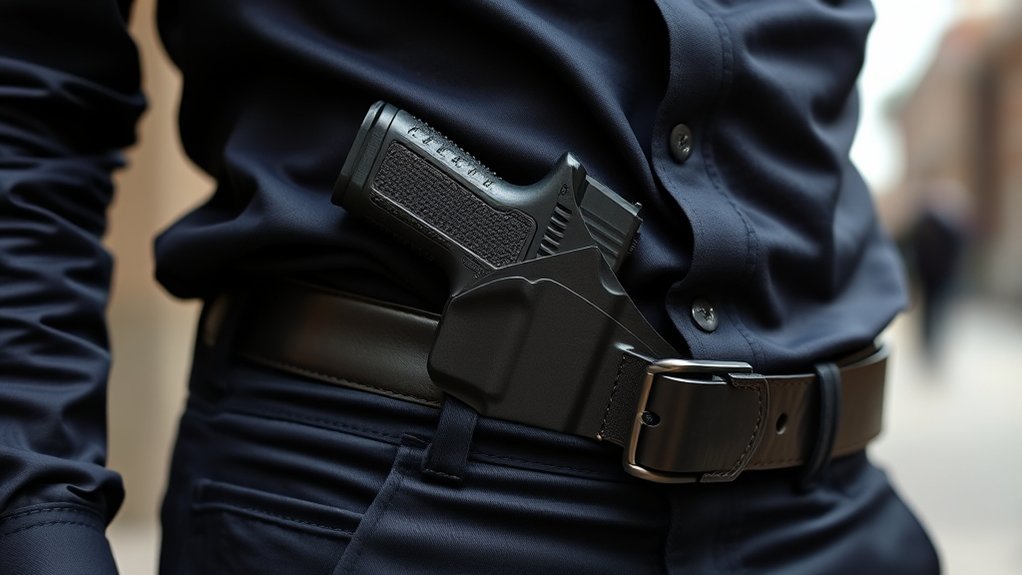
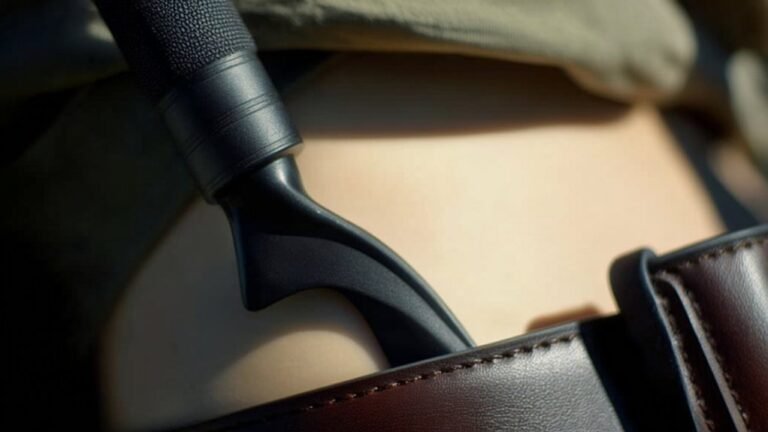
Although appendix carry might seem unconventional at first, it offers a convenient and accessible way to carry a handgun. You position the firearm at the front of your body, right around the appendix area, which provides quick access and better concealment compared to traditional hip carry.
This placement makes drawing your weapon faster, especially in tight spaces or when sitting down. Many people prefer appendix carry because it balances comfort and readiness without printing or shifting.
It also reduces the chance of snagging the trigger on clothing or objects. You’ll find this method popular among concealed carriers who want to combine safety, speed, and comfort.
Once you get used to the feel, appendix carry can become a natural part of your everyday carry routine.
How Appendix Carry Holsters Work
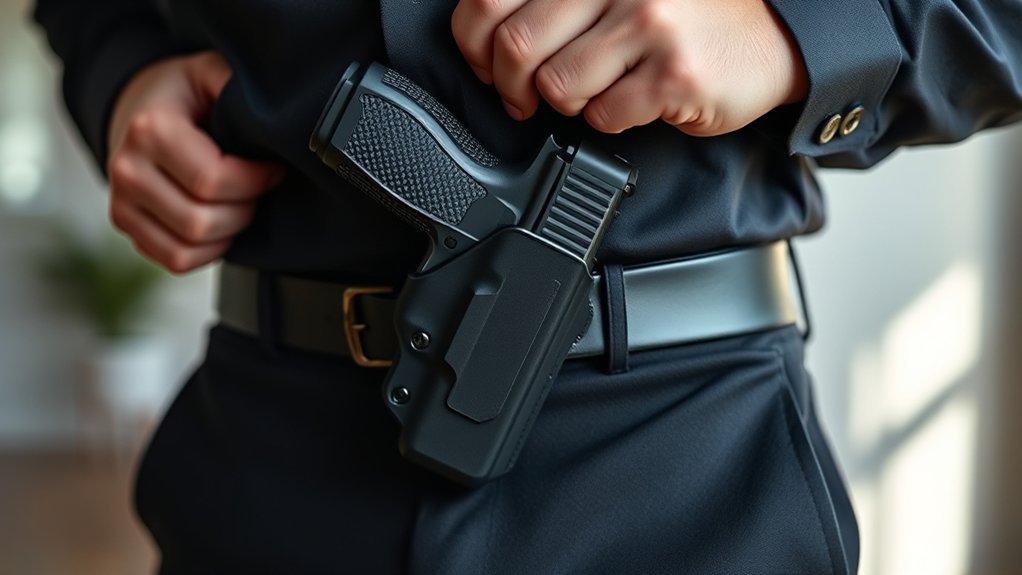
When you carry in the appendix position, your holster sits just in front of your hip, offering quick access and better concealment.
This placement lets you draw smoothly by rotating your wrist naturally, making your movement efficient and controlled.
Understanding these mechanics helps you appreciate why appendix carry holsters are favored for everyday use.
Holster Placement Benefits
Because appendix carry holsters position your firearm at the front of your body, they offer quick and natural access that many users find intuitive. This placement keeps your gun within easy reach, allowing you to maintain a strong, comfortable grip when you need it most.
You’ll also benefit from better concealment since the firearm rests in a spot that’s less likely to print through clothing. Plus, the forward position helps keep your dominant hand close to the weapon, reducing the time it takes to bring it into action.
Additionally, appendix carry holsters often provide improved comfort when sitting, as the firearm doesn’t dig into your hip or back.
Draw Mechanics Explained
How do appendix carry holsters streamline your draw? They position your firearm right in front of your body, making it easier to access quickly. When you reach down, your hand naturally finds the grip without awkward twisting.
The holster holds the gun securely but allows a smooth release when you apply upward pressure. This placement minimizes movement, so your draw is faster and more controlled. You can draw and aim in one fluid motion, which is vital in high-stress situations.
Plus, the design often includes adjustable retention, letting you customize how tightly the gun sits. With practice, your muscle memory builds, making every draw instinctive and efficient.
Appendix carry holsters truly optimize your mechanics, enhancing speed and safety during every draw.
Which Firearms Work Best for Appendix Carry
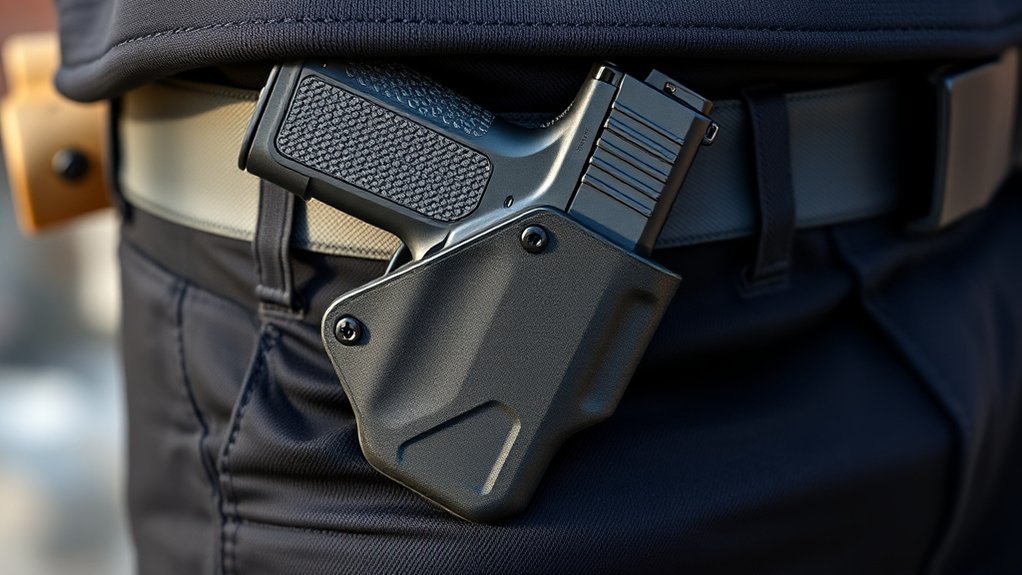
Choosing the right firearm is essential for comfortable and effective appendix carry. You’ll want a compact, lightweight handgun that won’t print or cause discomfort when seated.
Subcompact and compact pistols, especially those with slim profiles, work best. Guns like the Glock 43, Sig P365, or Smith & Wesson M&P Shield are popular choices because they balance size, capacity, and ease of draw.
Avoid full-sized handguns; they’re bulky and awkward at the appendix position.
Consider barrel length and grip size—they should fit your body type and clothing style.
Also, make sure your firearm has a smooth trigger pull and reliable safety features to reduce accidental discharge risk during quick draws.
Ultimately, pick a gun you can handle confidently and comfortably throughout your daily activities.
Choosing the Right Appendix Carry Holster Material
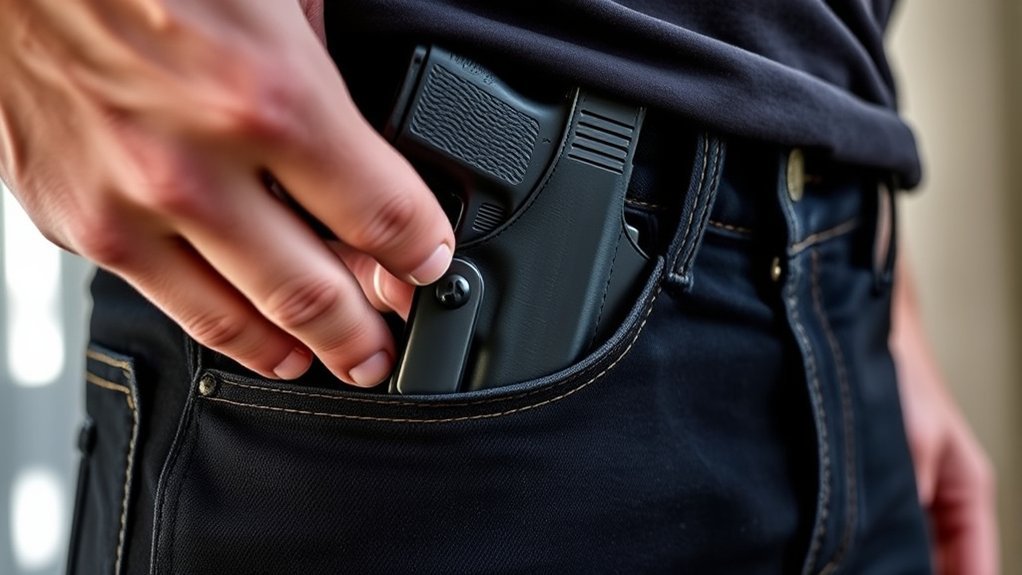
When choosing an appendix carry holster, you’ll want to weigh leather against synthetic materials carefully.
Each offers different levels of comfort and durability that can affect your daily wear.
Let’s explore how these options stack up for your needs.
Leather Versus Synthetic
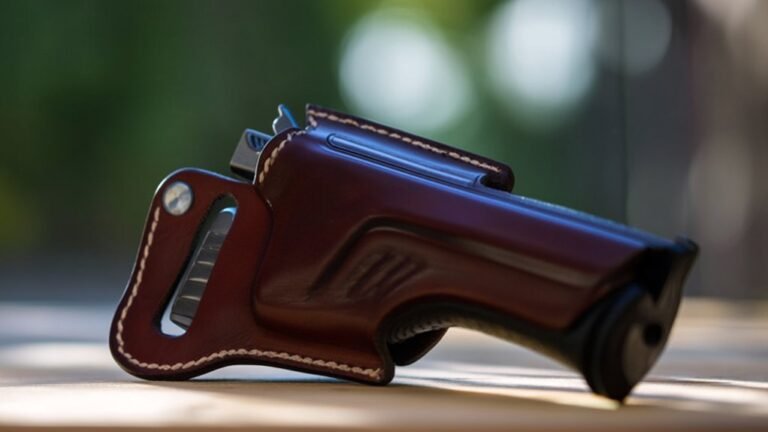
What makes leather and synthetic materials stand out as popular choices for appendix carry holsters? Leather offers a classic look and molds to your firearm over time, providing a personalized fit. It’s also naturally breathable, which can help manage moisture.
On the other hand, synthetic materials like Kydex or nylon are lightweight and resist water, making them easy to clean and maintain. They hold their shape firmly, ensuring consistent retention every time you draw.
When choosing between leather and synthetic, consider how each material interacts with your gun and your daily needs. Leather softens and adapts, while synthetics deliver rigidity and quick drying.
Both have strengths that impact your holster’s performance, so pick the one that aligns best with how you carry and use your firearm.
Comfort And Durability
Although both leather and synthetic materials offer unique benefits, comfort and durability often become the deciding factors for your appendix carry holster. You want a holster that feels good against your body all day and withstands daily wear without losing shape or function. Leather softens over time, molding to your body for comfort, while synthetic materials like Kydex resist moisture and scratches, maintaining durability.
| Material | Key Comfort Feature |
|---|---|
| Leather | Softens and molds |
| Kydex | Smooth, rigid surface |
| Neoprene | Cushioned, flexible |
Choose leather for comfort if you prioritize a personalized fit. Opt for synthetic if you need toughness and low maintenance. Your choice shapes your everyday carry experience.
Position Your Holster at 1 O’clock
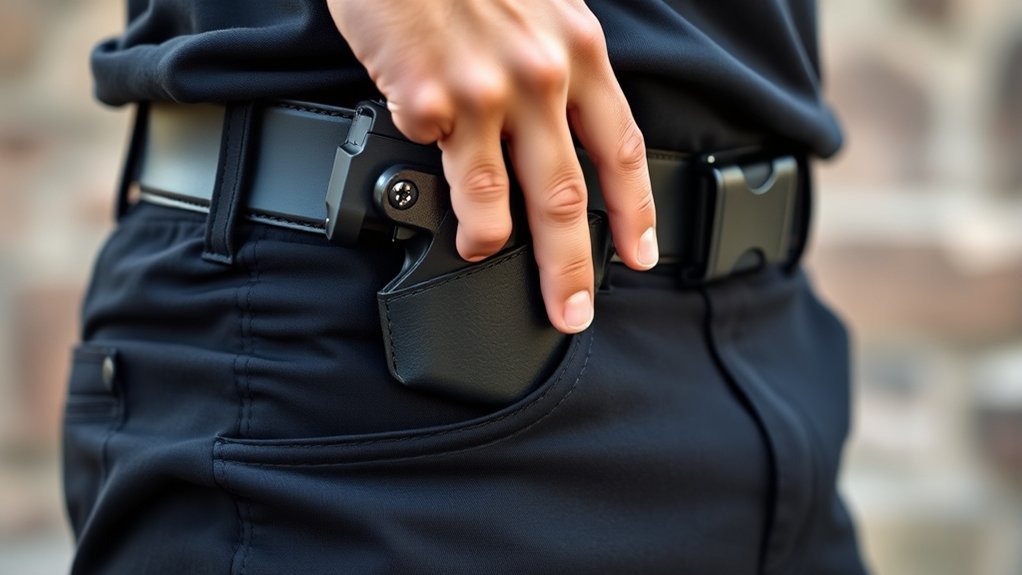
Since comfort and accessibility are key, positioning your holster at 1 o’clock offers an ideal balance between easy draw and minimal interference with your dominant hand. This spot—just forward of your hip—allows a natural grip and quick access, especially when seated or moving.
Placing your holster here keeps it from digging into your ribs or causing discomfort during daily activities. It also helps prevent printing, making your carry more discreet.
When you reach for your firearm, your hand can move smoothly without awkward angles or obstruction. Keep in mind that 1 o’clock works best for most right-handed carriers, while left-handed users might prefer the 11 o’clock position, mirroring the same advantages on the opposite side.
Adjust Your Holster for Comfort and Concealment
Positioning your holster at 1 o’clock sets a solid foundation, but fine-tuning its fit can make all the difference in comfort and concealment. Start by adjusting the cant—the angle of your holster—to match your natural draw motion. A slight forward tilt often improves access and reduces printing.
Next, check the ride height: too high can cause discomfort, too low may hinder your draw. Use the holster’s clips or screws to tweak this until it feels secure yet comfortable.
Pay attention to the pressure points against your body; reposition the holster if it digs in or causes irritation. Finally, walk around and sit down to test concealment. Small adjustments here prevent your gun from printing or shifting during daily activities, ensuring a smooth and discreet carry.
Clothing Choices That Conceal Appendix Carry Well
You’ll want to choose fabrics that don’t cling and offer enough thickness to mask your holster’s outline.
Loose-fitting shirts and layered clothing work best to keep your appendix carry discreet.
Let’s explore which materials and styles help you stay comfortable and concealed.
Best Fabrics For Concealment
When choosing fabrics to conceal an appendix carry holster, focus on materials that offer both structure and flexibility. Look for fabrics like cotton blends, lightweight denim, or performance knits that provide enough thickness to mask the holster’s outline without feeling bulky.
Stretch fabrics with moderate elasticity help the garment move with you while maintaining a smooth appearance. Avoid thin or clingy materials since they reveal the holster’s shape and printing easily.
Fabrics with a slight texture or weave can also break up the outline, making concealment easier. Breathable fabrics keep you comfortable during extended wear, which is important for appendix carry.
Ideal Clothing Styles
How do you choose clothing that hides an appendix carry holster without sacrificing comfort or style? Opt for shirts and jackets with a bit of structure or thicker fabric to prevent printing. Button-up shirts, polos, and henleys work well because they offer enough coverage while remaining breathable.
Avoid tight or clingy materials like thin cotton or stretch fabrics that reveal the holster’s outline. Layering is your friend—wearing an untucked shirt over a tucked one or adding a lightweight jacket can conceal the firearm effectively.
Pants with a slightly higher rise help keep the holster in place and prevent shifting. Ultimately, pick clothes that fit well but aren’t overly snug, so your appendix carry stays discreet and comfortable throughout the day.
Benefits of Appendix Carry Holsters
Although appendix carry may feel unfamiliar at first, it offers several distinct advantages that can enhance your everyday carry experience. You benefit from quicker access, better concealment, and comfortable positioning, especially when seated. This carry style keeps your firearm within your natural line of sight, improving awareness and control.
| Benefit | Description | Why It Matters |
|---|---|---|
| Quick Access | Draw is faster and more intuitive | Critical in emergencies |
| Concealment | Minimal printing under clothing | Maintains discretion |
| Comfort | Less interference when sitting | Easier for daily wear |
Drawbacks of Appendix Carry Holsters
While appendix carry holsters offer many advantages, you might face comfort challenges, especially when sitting for long periods.
You also need to be mindful of safety concerns due to the weapon’s position near crucial areas.
Additionally, accessibility can sometimes be tricky depending on your clothing and body type.
Comfort Challenges
Why do many people find appendix carry holsters uncomfortable? When you wear one, the pressure on your abdomen can quickly become distracting. The constant contact with your body may cause irritation or even bruising if the holster isn’t well-padded or properly positioned.
You might also notice discomfort when sitting or bending, as the gun presses against your stomach.
Here are four common comfort challenges you might face:
- Pressure on sensitive areas causing soreness
- Difficulty finding a natural, pain-free position
- Increased sweating and skin irritation
- Discomfort during everyday movements like sitting or driving
These issues can make appendix carry a tough choice if comfort is a priority for you.
Safety Concerns
Comfort issues aren’t the only challenge with appendix carry holsters; safety concerns also demand your attention. When you carry in the appendix position, the muzzle points toward sensitive areas like your femoral artery and abdomen. This increases the risk of serious injury if you accidentally discharge your weapon.
You need a holster that fully covers the trigger guard and holds the firearm securely to prevent accidental firing. Also, drawing and reholstering require extra caution to avoid pointing the muzzle at yourself.
If you’re new to appendix carry, practice slowly and deliberately to build safe habits. Remember, your body’s anatomy demands respect—any slip could have severe consequences.
Prioritize safety gear and training to minimize risks associated with this carry method.
Accessibility Issues
How quickly can you access your firearm when it’s holstered in the appendix position? While appendix carry offers concealment, it can complicate quick draws, especially under stress. You might find these accessibility issues frustrating:
- Limited mobility – Sitting or bending can restrict your draw speed.
- Clothing interference – Shirts or jackets can snag, slowing your reach.
- Dominant hand challenge – If you’re injured or using your non-dominant hand, drawing becomes awkward.
- Body shape variation – Depending on your build, the firearm might be harder to reach comfortably.
You need to consider these factors carefully. Accessibility isn’t just about speed—it’s about reliability when every second counts. Make sure appendix carry suits your lifestyle and draw needs before committing.
Is Appendix Carry Right for You?
Wondering if appendix carry suits your daily needs? This carry style offers quick access and a natural draw, especially if you’re often seated or need to conceal your firearm effectively.
If you wear fitted clothing and want a discreet option without printing, appendix carry might be a good fit. However, consider your comfort level, body shape, and daily activities.
It requires practice to master safely, and not everyone finds it comfortable, especially if you’re larger or prone to sitting for long stretches. Also, think about your environment—appendix carry works best in casual to business casual settings.
Ultimately, if you prioritize accessibility and concealment and are willing to invest time in training, appendix carry could be right for you.
Tips for Safely Drawing From Appendix Carry
Because appendix carry positions the firearm close to your dominant hand and in front of your body, drawing safely requires deliberate practice and attention to technique. You need to stay mindful to avoid accidental discharge or injury.
Here are four tips to keep you safe while drawing:
- Keep your finger off the trigger until the gun is fully out and aimed at your target.
- Use your support hand to stabilize the draw, preventing the muzzle from pointing at yourself.
- Draw slowly and deliberately at first to build muscle memory and confidence.
- Maintain awareness of your surroundings to ensure a safe and controlled draw in any environment.
Following these tips will help you draw confidently and safely from appendix carry every time.
Practice Drawing and Reholstering Safely
While practicing drawing and reholstering, you’ll build the muscle memory needed for smooth, safe movements. Start slow and focus on maintaining trigger discipline by keeping your finger off the trigger until your sights are on target.
Use an unloaded firearm or training gun to minimize risk as you rehearse. Pay close attention to your hand placement, ensuring you clear clothing and the holster’s mouth properly to avoid snags.
When reholstering, never rush; keep your finger indexed along the frame and confirm the barrel is pointed in a safe direction.
Practice in front of a mirror or record yourself to spot any unsafe habits.
Consistent, deliberate practice will help you draw and reholster confidently and securely every time.
Avoid Common Safety Mistakes With Appendix Carry
Though appendix carry offers quick access and concealment, it also demands strict attention to safety to prevent accidents. You must stay vigilant and avoid common mistakes that compromise your safety and those around you.
Here are four critical safety tips to keep in mind:
- Never point the muzzle toward your body when drawing or reholstering—this can cause severe injury.
- Keep your finger off the trigger until you’re ready to shoot; accidental discharges happen fast.
- Ensure your holster fully covers the trigger guard to prevent unintended trigger engagement.
- Practice slow, deliberate draws initially to build muscle memory and avoid sloppy movements.
Follow these rules, and you’ll carry confidently without risking unnecessary harm.
Keep Your Appendix Carry Holster Clean and Ready
Keeping your appendix carry holster clean and ready guarantees reliable performance and safety every time you draw. Dirt, sweat, and debris can build up inside the holster, affecting retention and possibly causing malfunctions.
Make it a habit to wipe down your holster regularly with a damp cloth and mild soap if needed. Avoid harsh chemicals that could damage the material.
For leather holsters, use a leather conditioner to maintain flexibility and prevent cracking.
Check your holster for any signs of wear or damage during cleaning; replacing it when necessary keeps you safe.
Store your holster in a dry, cool place to prevent moisture buildup.
Fix Fit and Comfort Problems With Your Holster
If your appendix carry holster feels uncomfortable or doesn’t fit right, addressing these issues promptly will improve both your carry experience and safety. Ignoring discomfort can lead to poor retention or awkward draws, which you want to avoid.
Here’s how to fix common fit and comfort problems:
- Adjust the cant and ride height to suit your body shape and daily activities.
- Check the holster’s material; switching to a softer or more flexible option can reduce irritation.
- Use belt clips or loops that provide a snug, stable fit without digging into your skin.
- Experiment with different clothing layers to see what helps maintain comfort and concealment.
Taking these steps will make appendix carry feel natural and secure every time.
Frequently Asked Questions
Can Appendix Carry Holsters Be Used for Left-Handed Shooters?
Yes, you can use appendix carry holsters if you’re left-handed. Just look for holsters designed specifically for left-side appendix carry to guarantee comfort, quick access, and proper retention while carrying your firearm securely and confidently.
How Does Appendix Carry Affect Sitting or Bending Comfortably?
Sitting or bending with appendix carry feels like maneuvering through a narrow doorway—you’ll need to adjust your posture carefully. You might notice some pressure or discomfort, but with practice and the right holster, you’ll move more naturally.
Are Appendix Carry Holsters Compatible With Concealed Carry Laws?
Yes, appendix carry holsters are generally compatible with concealed carry laws, but you need to check your local regulations carefully. Always guarantee your firearm stays securely covered and accessible to comply with legal requirements and avoid issues.
What Accessories Can Be Added to Appendix Carry Holsters?
Did you know over 60% of appendix carry users add accessories? You can attach mag pouches, sweat guards, adjustable clips, or even light mounts to your holster, enhancing comfort, retention, and quick access during carry.
How Long Does It Take to Get Used to Appendix Carry?
It usually takes you a few weeks to feel comfortable with appendix carry. You’ll get used to the grip, draw, and concealment as you practice daily. Consistency and proper holster fit speed up the adjustment.
Conclusion
Appendix carry offers quick access and comfort when done right. Imagine Sarah, a new shooter, who struggled with printing until she switched to a well-fitted Kydex appendix holster at 1 o’clock. Practicing safe draws and reholsters helped her gain confidence and avoid accidents. Remember, choosing the right holster and keeping it clean guarantees reliability. With proper care and practice, appendix carry can be a secure, convenient way to carry your firearm every day.