What Is a Holster Claw and How to Use It
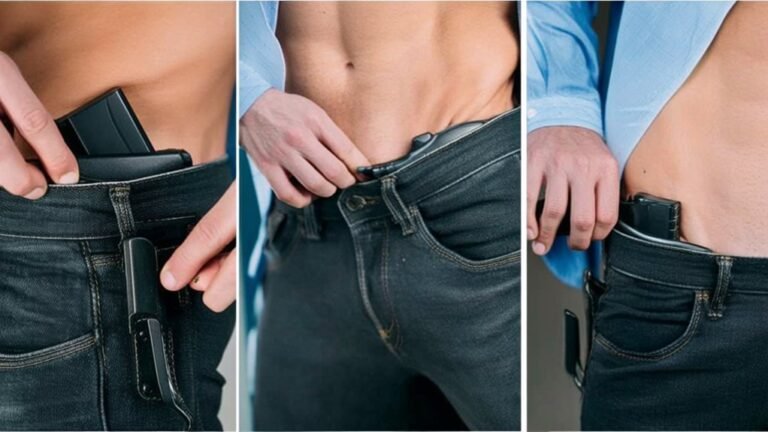
A holster claw is a small, curved attachment that fits on your holster’s side to press your firearm firmly against your body, preventing shifting and rotating during carry. By hooking into your belt or waistband, it stabilizes the gun, improves comfort, and reduces printing under clothing. You use it mainly with compact pistols for inside-the-waistband carry, especially appendix or strong-side positions. Keep going to discover how different types and adjustments can maximize your concealment and comfort.
What Is a Holster Claw and Why Use One?
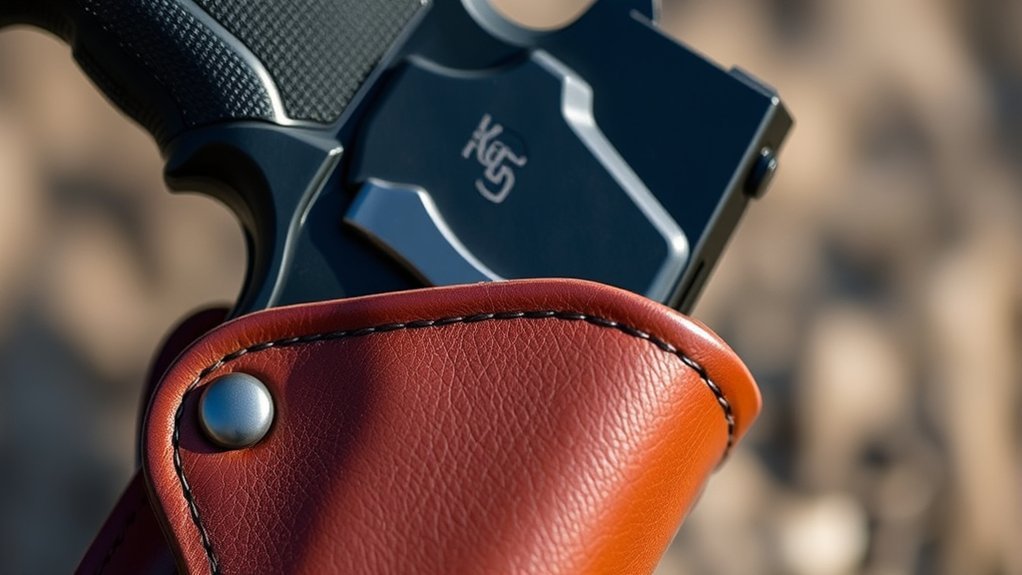
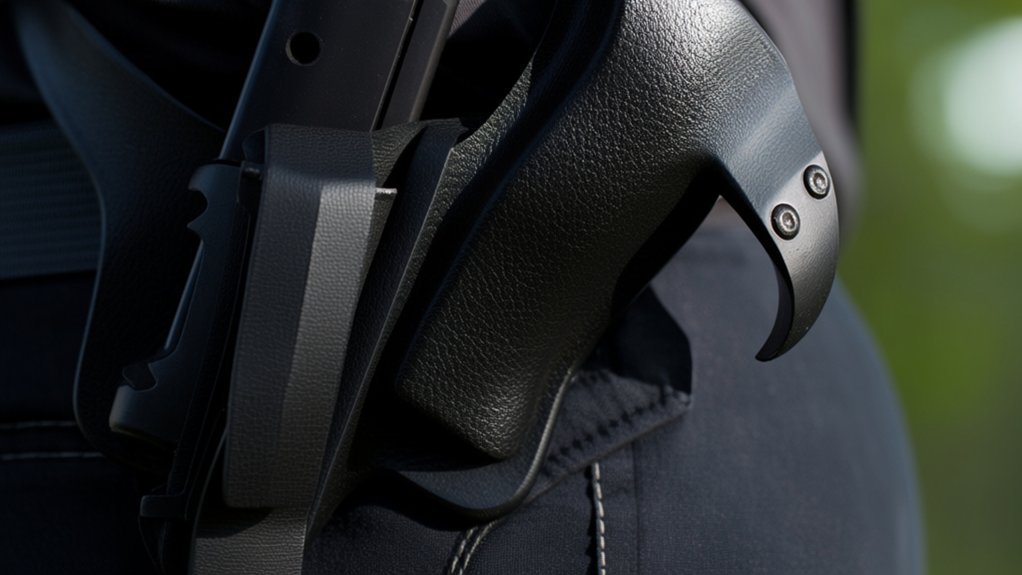
What exactly is a holster claw, and why might you want to use one? A holster claw is a small, curved attachment that fits on your holster’s side, pressing against your body to stabilize the firearm. It works by hooking into your belt or waistband, preventing the holster from shifting or rotating when you move.
If you carry a handgun inside the waistband, you’ve probably experienced discomfort or inconsistent positioning. The claw counters this by anchoring the holster firmly in place.
You’ll find it especially helpful when drawing quickly or moving a lot, as it keeps your firearm accessible and securely positioned.
In short, a holster claw is a simple yet effective way to improve your draw’s reliability and your overall carry experience.
How Holster Claws Improve Comfort and Concealment
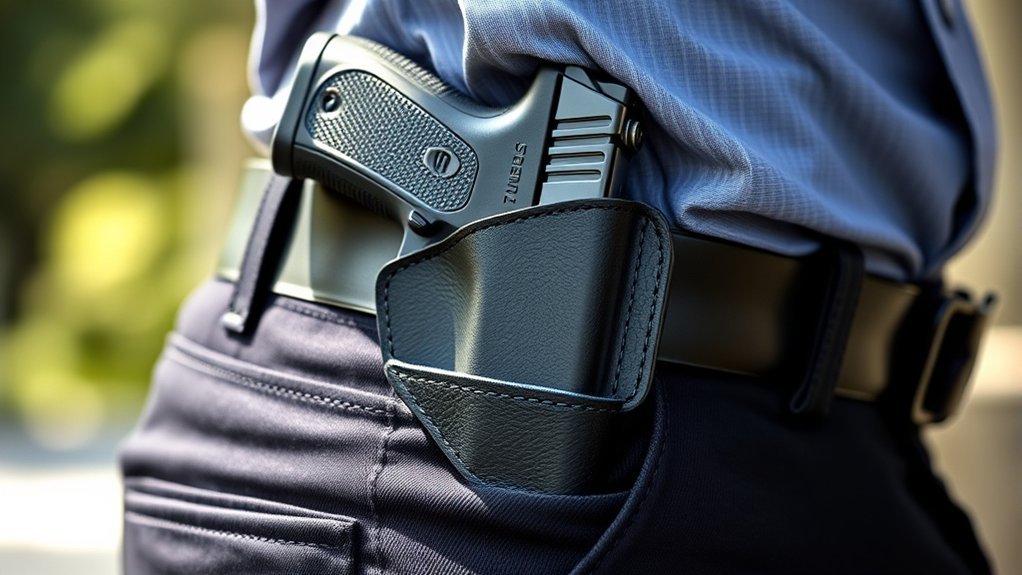
Beyond keeping your firearm stable, holster claws play a key role in enhancing both comfort and concealment. By pressing against your body, the claw helps rotate the grip of your gun inward, reducing printing—the visible outline of your firearm through clothing.
This rotation keeps your gun snug against your body, preventing it from shifting or poking out awkwardly, which makes carrying more comfortable throughout the day. You’ll notice less pressure on sensitive areas, too, as the claw distributes the holster’s tension more evenly.
This means you won’t have to constantly adjust your holster or worry about discomfort when sitting or moving. Ultimately, holster claws help you carry more confidently, keeping your firearm discreet and your experience hassle-free.
Which Firearms and Carry Positions Work Best With Holster Claws
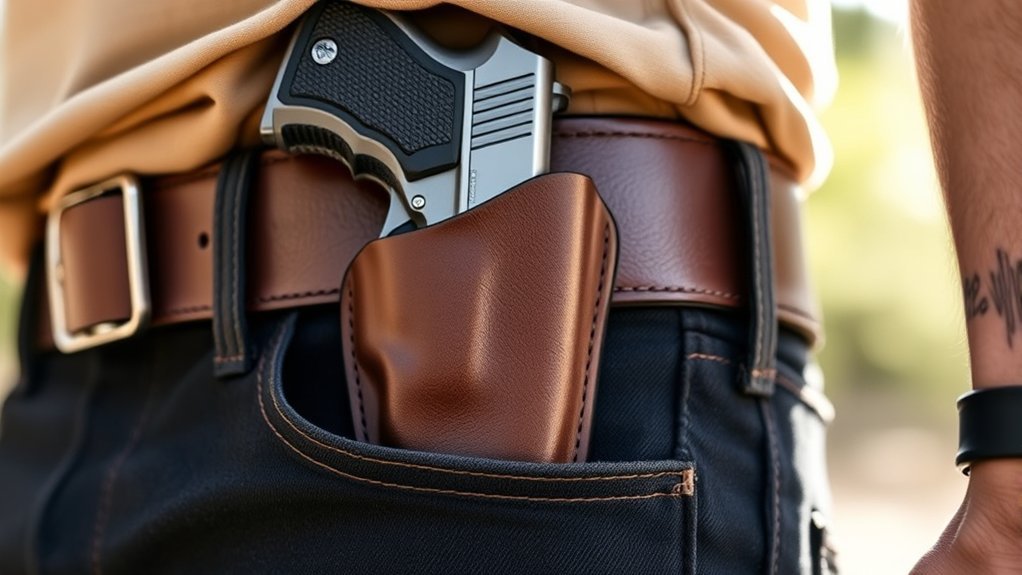
Although holster claws can benefit many setups, they work best with compact and mid-sized firearms that fit close to your body. These guns keep a low profile, allowing the claw to press the grip inward effectively, reducing printing and enhancing concealment.
You’ll find holster claws particularly useful when carrying appendix or strong-side inside-the-waistband (IWB), as these positions often cause the grip to protrude. The claw helps tuck the grip closer to your torso, which improves comfort and keeps your firearm discreet.
While you can use holster claws with larger firearms, their bulkier size may limit the claw’s ability to apply consistent pressure. So, if you want ideal concealment and comfort, pair holster claws with smaller, easily concealable pistols worn in front or side carry positions.
Different Types of Holster Claws
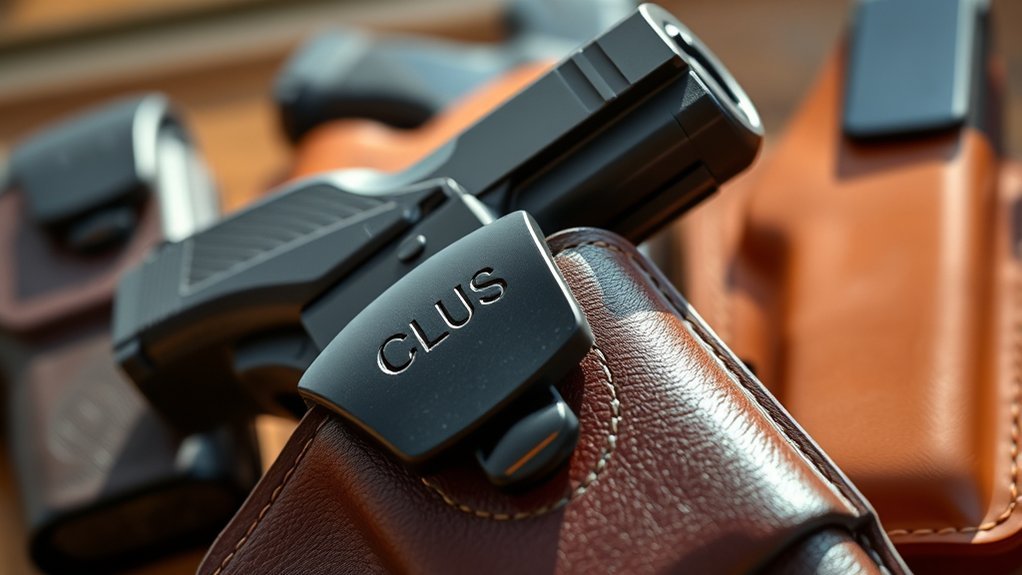
Since holster claws work best when they fit your firearm and carry position well, it’s important to understand the different types available. The most common is the adjustable claw, which lets you customize the angle and tension for a snug fit against your body.
Then there’s the fixed claw, offering a simple, sturdy design with no adjustments—great if you want something straightforward. Some claws come with rubberized or textured surfaces to improve grip and comfort.
You’ll also find hybrid claws that combine features like adjustable tension with added padding for better concealment and comfort. Choosing the right type depends on your firearm’s shape, how you carry it, and personal preference.
Matching these factors ensures your holster claw effectively reduces printing and enhances retention.
How Holster Claws Compare to Other Concealment Accessories
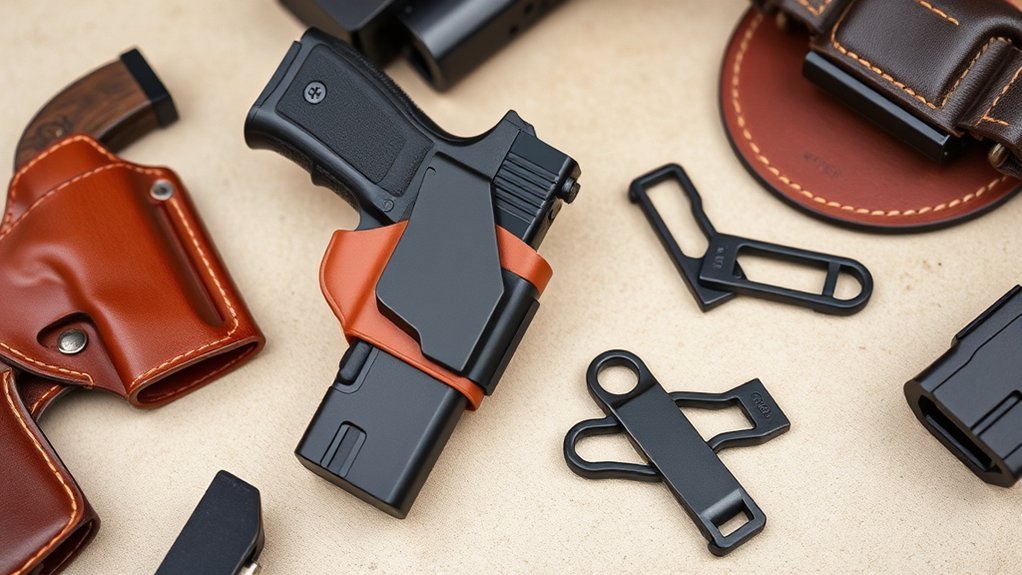
When you’re choosing concealment accessories, holster claws stand out by offering a unique blend of stability and comfort that many other options don’t provide. Unlike clips or belts alone, holster claws press the grip of your firearm inward, reducing printing and helping the gun stay flush against your body. This added leverage prevents shifting during movement without sacrificing comfort.
Other accessories, like sweat guards or padding, focus more on comfort or protection but don’t markedly improve concealment. Meanwhile, clips and belt loops secure the holster but can allow more movement, leading to discomfort or visible outlines.
If you want a reliable way to keep your firearm discreet and stable without bulky gear, holster claws are a smart choice that balances concealment and ease of use.
How to Attach a Holster Claw to Your Existing Holster
Holster claws provide a distinctive way to enhance your firearm’s stability and concealment, so adding one to your existing holster can make a noticeable difference.
First, identify the mounting points on your holster; most claws attach near the belt clip or loops. Remove your holster from your belt and loosen any screws or fasteners where the claw will be installed.
Align the claw’s base with the holster’s attachment points and secure it using the provided screws or hardware. Make sure everything is tight to prevent shifting but avoid overtightening, which can damage your holster.
Once attached, slide the holster back onto your belt to check fit and retention. This straightforward process boosts your holster’s grip against your body, improving concealment without major modifications.
Adjusting the Holster Claw for the Best Fit and Angle
Although attaching the holster claw is a crucial step, adjusting it properly guarantees maximum comfort and concealment. Start by loosening the screws or clips holding the claw to your holster.
Then, position the claw to press firmly against your belt or waistband, reducing the holster’s printing. Angle the claw so it pulls the grip of your firearm closer to your body, usually between 15 to 30 degrees, but adjust based on your stance and clothing.
Once you find the ideal angle and pressure, tighten the screws securely. Test your movement and concealment with the adjusted claw, making minor tweaks if necessary.
Proper adjustment keeps your holster stable without compromising comfort or accessibility, making your carry experience seamless.
Fixing Common Holster Claw Problems
If you notice your claw slipping or causing discomfort, it’s important to address these issues promptly to maintain both security and comfort.
First, check if the claw is properly aligned with your firearm’s trigger guard; misalignment often causes slipping. Tighten any screws or hardware to guarantee the claw stays firmly in place.
If discomfort arises, adjust the claw’s angle slightly to reduce pressure on your body. Sometimes swapping the claw for a different size or style can solve fit problems.
Also, inspect the holster material for wear that might affect the claw’s grip. Avoid forcing adjustments that could damage your holster or firearm.
Tips for Maintaining and Caring for Your Holster Claw
Addressing issues with your claw promptly helps prevent bigger problems down the line. To keep your holster claw in top shape, regularly inspect it for cracks or wear.
Clean it with a soft cloth and mild soap, avoiding harsh chemicals that can degrade materials. If your claw is adjustable, check the screws and tighten them as needed to maintain a secure fit.
Store your holster in a cool, dry place to prevent warping or rust, especially if it has metal parts. Avoid dropping or bending the claw unnecessarily to preserve its shape and function.
Where to Buy Holster Claws and How to Choose
When you’re ready to buy a holster claw, knowing where to shop and what to look for can save you time and make sure you get the right fit. Start by checking reputable firearm accessory retailers, both online and in-store, to find quality options.
Next, focus on compatibility with your specific holster and firearm model. Finally, consider customer reviews and ratings to gauge real-world performance.
Here’s how to choose wisely:
- Prioritize durability and material quality to ensure long-lasting use.
- Look for adjustable designs that offer a snug, secure fit.
- Choose a holster claw that enhances comfort without adding bulk.
Frequently Asked Questions
Can a Holster Claw Damage My Clothing Over Time?
Yes, a holster claw can wear down your clothing over time, especially if it’s tight or abrasive. You’ll want to choose soft materials and adjust the claw properly to minimize damage while keeping your firearm secure.
Are Holster Claws Legal in All States?
Holster claws are generally legal in most states, but you should check local laws to be sure. Some places have specific regulations on holster modifications, so don’t assume they’re allowed everywhere without verifying first.
Do Holster Claws Affect Firearm Draw Speed?
You won’t exactly break any speed records with a holster claw—it actually slows your draw a bit. But hey, if you love that extra grip and stability, sacrificing milliseconds might feel totally worth it.
Can Holster Claws Be Used With Left-Handed Carry?
Yes, you can use holster claws for left-handed carry, but you’ll need a claw designed specifically for left-side use or an ambidextrous model. Make sure it fits your holster and firearm for ideal comfort and retention.
Are Holster Claws Compatible With All Holster Materials?
About 75% of holster claws work well with common materials like Kydex and leather. You’ll find some issues with softer or fabric holsters, so always check compatibility before buying to guarantee a secure, comfortable fit.
Conclusion
Using a holster claw can transform your everyday carry experience by boosting comfort and keeping your firearm discreet. Imagine you’re at a crowded event, and your holster claw gently tucks your gun closer to your body, preventing printing and discomfort all day. By adjusting it properly and maintaining it well, you’ll enjoy better concealment and confidence. Don’t overlook this simple accessory—it’s a game-changer for anyone serious about comfortable, secure carry.