How to Conceal Carry Without a Holster Safely
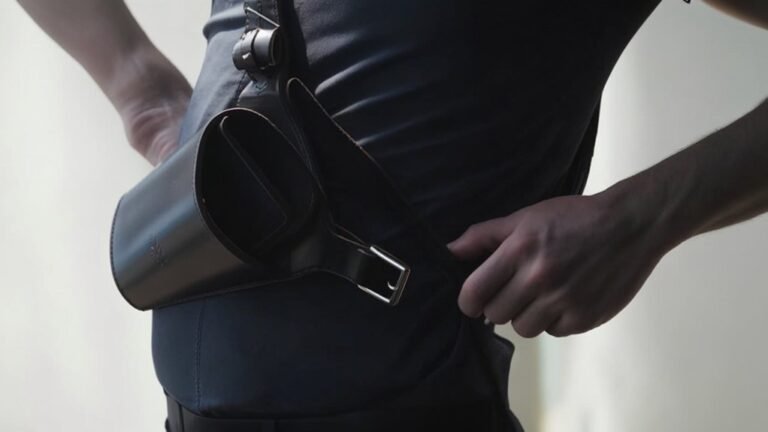
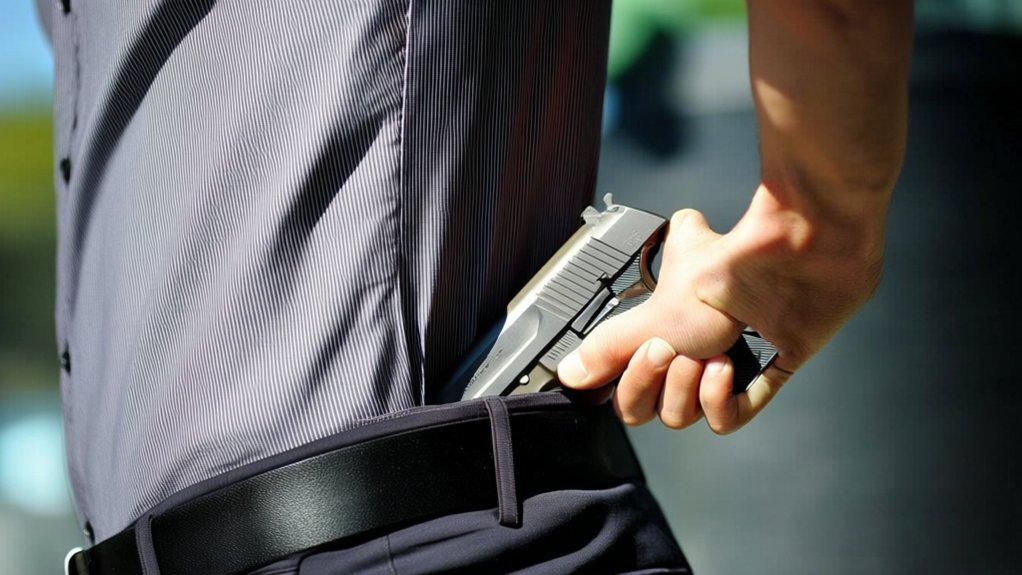
To conceal carry without a holster safely, choose a compact, reliable firearm with built-in safeties and secure it in deep, sturdy pockets or layered clothing. Keep your finger off the trigger until ready, maintain muzzle awareness, and practice smooth, controlled draws to prevent accidental discharge. Use thicker fabrics to help stabilize the gun and avoid shifting. Mastering these basics helps guarantee safety and comfort while carrying. There’s more to explore about techniques and legal considerations that can keep you prepared.
Why Carrying Without a Holster Needs Extra Caution
Although it might seem convenient, carrying a firearm without a holster demands extra caution because it increases the risk of accidental discharge and injury. When you skip the holster, the trigger is more exposed, making it easier for something to accidentally engage it—like your keys or a piece of clothing.
Without a secure way to keep your gun in place, you also risk dropping it during daily activities, which can be dangerous. You need to be extremely mindful of your grip and how you move to avoid any mishaps.
Additionally, without a holster, the firearm mightn’t sit comfortably or discreetly, affecting your ability to carry safely and confidently. Remember, prioritizing safety reduces risks when you carry without a holster.
How to Choose the Right Firearm for Holster-Free Carry
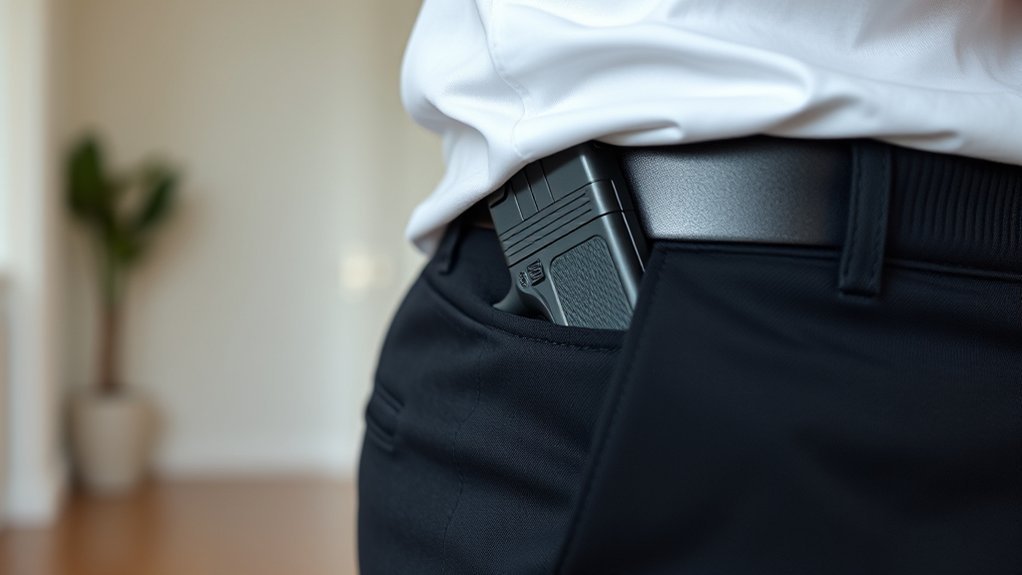
Carrying without a holster means you need a firearm that fits your lifestyle and minimizes risks. You want a gun that’s safe, reliable, and easy to handle.
Here’s what to take into account when choosing:
- Size and Weight: Opt for a compact, lightweight model that’s comfortable for all-day carry and won’t dig into you.
- Safety Features: Look for manual safeties or trigger safeties to prevent accidental discharges.
- Ease of Access: Choose a firearm you can draw quickly and confidently under pressure.
- Durability: Pick a model that withstands sweat, friction, and daily wear without malfunctioning.
Selecting the right firearm reduces the chance of accidents and ensures you’re prepared in any situation. Make your choice thoughtfully to carry securely without a holster.
Best Body Positions for Concealed Carry Without a Holster
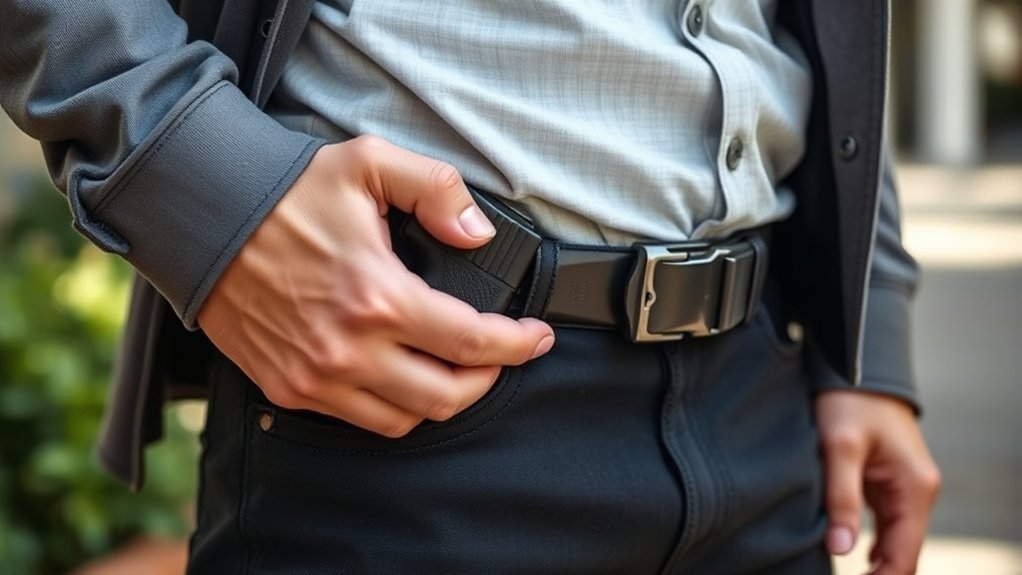
When you carry without a holster, your body position plays a crucial role in both comfort and safety. The most secure spots are those where your body naturally shields the firearm. Consider carrying at your strong side hip, slightly forward or rearward, where your arm can cover the grip.
The appendix position, just inside your waistband at the front, offers quick access but requires careful adjustment to avoid discomfort or accidental discharge.
The small of your back can work, but it risks injury if you fall or sit awkwardly.
Whatever position you choose, practice drawing and reholstering safely to build muscle memory. Stay mindful of your movements throughout the day to prevent the firearm from shifting or exposing itself unintentionally.
Using Clothing Types to Secure Your Firearm Safely
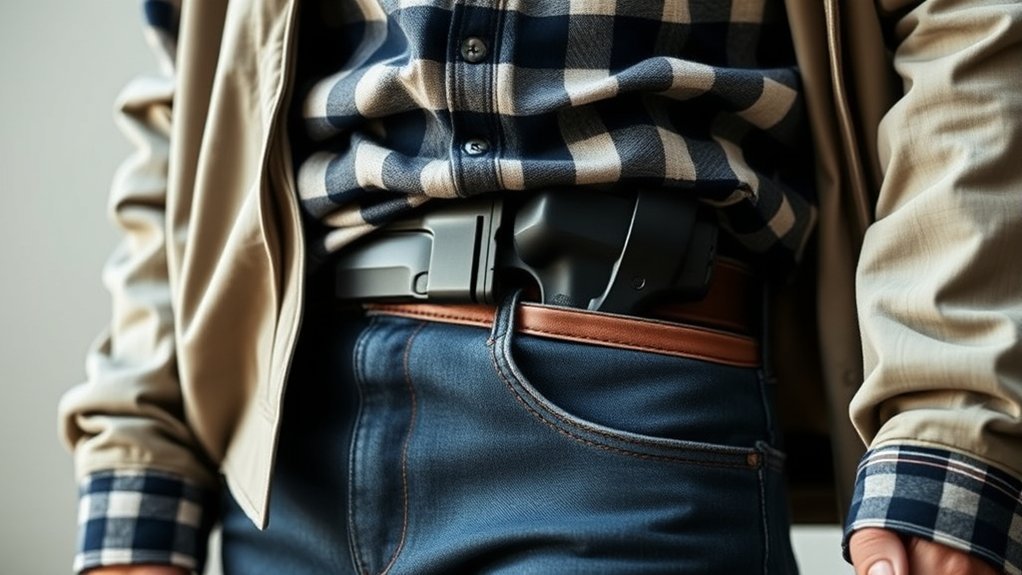
You’ll want to pick clothing that helps keep your firearm secure and hidden throughout the day. Fabrics with some thickness or texture can prevent printing and provide added retention.
Let’s explore how the right clothing choices make carrying safer and more comfortable.
Choosing Concealed Clothing
How do you select clothing that keeps your firearm secure without drawing attention? Focus on garments that offer discreet pockets or layers to conceal your weapon comfortably and safely. Look for clothes that don’t cling too tightly, as they can reveal the firearm’s outline. Opt for versatile pieces that suit your daily routine while maintaining concealment.
Consider these tips when choosing your concealed clothing:
- Use jackets or overshirts with roomy inner pockets to hold your firearm securely.
- Pick button-up shirts or blouses to allow easy access while avoiding bulk.
- Choose layered outfits to mask your firearm’s shape and keep it stable.
- Select clothing with reinforced seams or hidden compartments for added safety.
These choices help you carry confidently without a holster.
Fabric Types For Security
Why does the fabric you choose matter for safely securing your firearm? Because the right material helps keep your gun stable and discreet, preventing shifting or printing.
Opt for thicker, sturdy fabrics like denim, canvas, or heavyweight cotton—they provide enough friction to hold your firearm in place without extra gear.
Stretchy fabrics, like spandex or thin polyester, can cause your gun to move around, increasing the risk of accidental exposure or discomfort.
Layering can also improve security; a heavier outer layer over a firm inner fabric adds stability.
Avoid slippery or lightweight fabrics that won’t support your firearm’s weight.
How to Use Pocket Carry Techniques to Keep Your Gun Stable
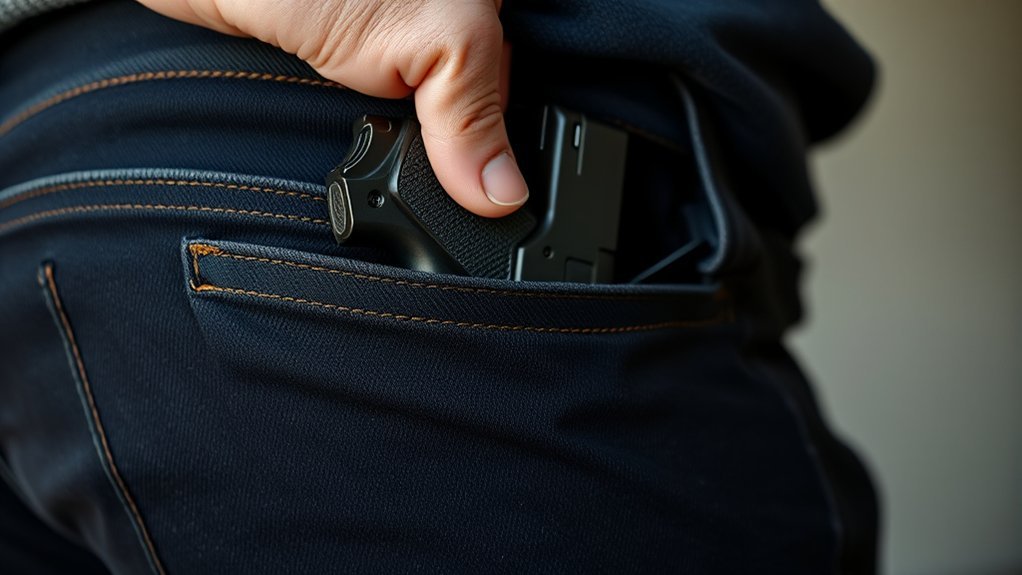
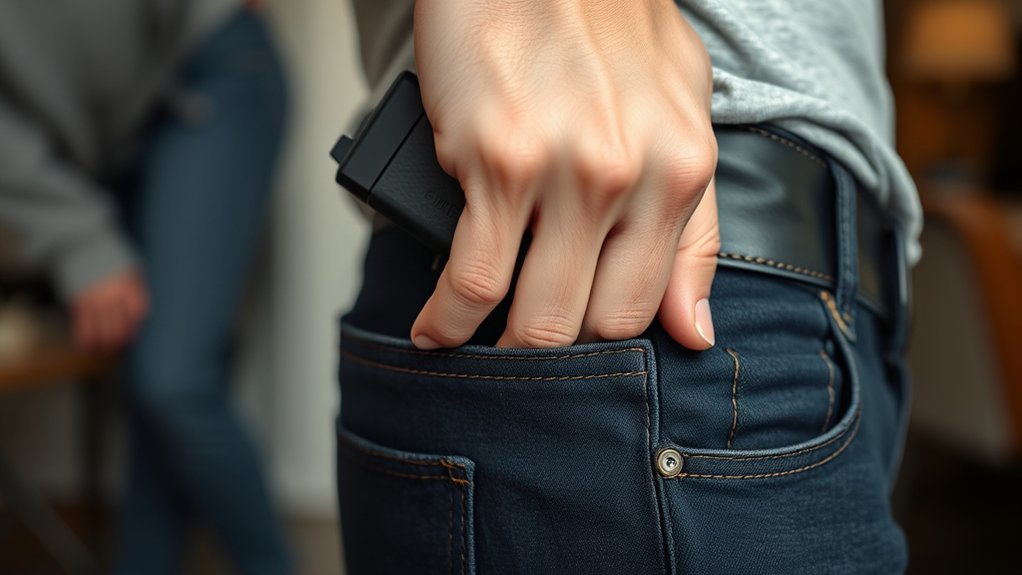
To keep your gun stable while pocket carrying, you need to choose the right pocket that fits your firearm securely.
Positioning the gun properly inside the pocket prevents shifting and guarantees quick access.
Using retention accessories can add an extra layer of stability and safety.
Choosing the Right Pocket
Where you choose to carry your firearm can make all the difference in comfort and accessibility. Selecting the right pocket guarantees your gun stays secure and easy to draw when needed. Not every pocket is created equal, so consider these factors to find your ideal spot:
- Depth: Opt for deeper pockets to keep your gun from slipping out.
- Tightness: Choose a pocket with a snug fit to prevent excessive movement.
- Accessibility: Make sure you can quickly reach the firearm without fumbling.
- Location: Favor pockets that won’t interfere with daily activities or draw attention.
Positioning for Stability
Once you’ve selected the best pocket for your firearm, focusing on how you position it will keep it secure and ready. Place the gun deep enough to prevent shifting but shallow enough for a quick draw.
Angle the grip slightly forward or backward depending on your body shape and comfort, ensuring it doesn’t print or poke out. Position the firearm so the trigger guard faces away from your body to reduce accidental engagement.
Use the pocket’s natural seams or structure to help hold the gun in place, and adjust your stance or movement to minimize shifting throughout the day.
Practicing draws from this position helps you find the most suitable balance between stability and accessibility without a holster.
Using Retention Accessories
Although proper positioning plays a big role in keeping your firearm secure, using retention accessories can substantially enhance stability when carrying in your pocket. These tools help prevent your gun from shifting or falling out, giving you peace of mind during daily activities.
You can combine them with good pocket carry techniques for maximum security.
Consider these retention accessories to keep your gun stable:
- Pocket clips: Attach your gun to the pocket edge for added grip.
- Rubberized grips or sleeves: Increase friction inside the pocket.
- Elastic bands or retention straps: Hold the firearm firmly in place.
- Magnetic plates: Secure metal parts of the gun discreetly.
Using these helps you carry confidently while minimizing movement and risk.
How to Keep Your Gun Accessible When Concealed Carrying Without a Holster
Carrying a gun without a holster requires extra attention to how you secure and access your firearm quickly. You should choose clothing that allows easy reach, like loose shirts or jackets with accessible pockets.
Position your gun where your hand naturally falls—common spots include inside the waistband or a strong, secure pocket.
Practice drawing smoothly and safely to build muscle memory, ensuring you can retrieve your firearm even under stress.
Using retention accessories like grip sleeves or elastic bands can help keep the gun stable while maintaining quick access.
Always keep your finger off the trigger until you’re ready to shoot.
Avoiding Accidental Discharges Without a Holster
Keeping your gun accessible without a holster means you need to be extra mindful about safety to prevent accidental discharges. Without a holster’s protection, the risk of the trigger being unintentionally engaged increases, so you must take deliberate precautions.
Here’s how to stay safe:
- Always keep your finger off the trigger until you’re ready to shoot.
- Use trigger locks or safety devices designed for quick access.
- Choose clothing that provides a secure pocket or compartment to hold your firearm firmly.
- Regularly inspect your gun’s mechanical safety features to make sure they function properly.
How to Train and Practice Drawing Without a Holster
You’ll want to focus on safe drawing techniques to build muscle memory without risking an accidental discharge.
Dry fire practice is a great way to rehearse your draw repeatedly while maintaining control.
Let’s explore how to train effectively and safely when you don’t have a holster.
Safe Drawing Techniques
Though drawing without a holster may seem challenging at first, practicing this skill can greatly improve your overall firearm handling and readiness. Focus on safety and smooth, controlled movements to avoid accidental discharge or injury.
Start by positioning your firearm securely and ensuring your finger stays off the trigger until ready to shoot. When drawing, keep your hand close to your body and draw in one fluid motion.
To practice safe drawing techniques:
- Maintain constant awareness of your muzzle direction
- Use deliberate, slow movements to build muscle memory
- Keep your finger indexed along the frame, not the trigger
- Practice drawing from different concealed positions
These habits help you draw safely and efficiently, even without a holster.
Dry Fire Practice Methods
When training to draw without a holster, dry fire practice offers a safe and effective way to hone your skills. Start by ensuring your firearm is unloaded and pointed in a safe direction. Use snap caps or dummy rounds to protect your firing pin.
Focus on drawing smoothly from concealment, acquiring a proper grip, and shifting your finger to the trigger without rushing. Set up a target or use a laser trainer to track accuracy and control.
Incorporate consistent repetition to build muscle memory and reduce hesitation. Regular dry fire sessions improve your reaction time and confidence, preparing you for real-life scenarios.
Always follow strict safety rules to avoid accidents, and never skip the safety check before beginning practice.
Common Mistakes to Avoid When Carrying Without a Holster
Since carrying without a holster puts your firearm directly against your body or in a pocket, you risk accidental discharge or damage if you don’t take proper precautions. To stay safe and secure, avoid these common mistakes:
- Don’t carry with your finger on the trigger; keep it off to prevent accidental firing.
- Avoid loose or unstructured pockets that allow your gun to shift or fall out.
- Don’t neglect regular inspection; dirt and sweat can damage your firearm or cause malfunctions.
- Avoid wearing clothing that interferes with your grip or quick draw, such as overly tight or slippery fabrics.
Legal Rules for Carrying Without a Holster
Understanding the legal rules for carrying without a holster is essential to avoid fines, confiscation, or even criminal charges. Laws vary by state, so you must research your local regulations before deciding to carry without a holster.
Some states require a holster as part of concealed carry permits, while others don’t specify.
Even if legal, you’re responsible for safe handling and secure retention to prevent accidental discharge or loss.
Avoid openly carrying the firearm without a holster, as this may violate open carry laws.
Always confirm your firearm is unloaded in prohibited areas like schools or government buildings.
Staying informed and compliant with the laws protects you and those around you.
When in doubt, consult legal experts to clarify your rights and responsibilities.
Frequently Asked Questions
Can I Carry Without a Holster in Hot Weather?
Yes, you can carry without a holster in hot weather, but you’ll need to be extra careful. Use a strong belt and wear thick, sturdy clothing to protect yourself from accidental discharge and guarantee your firearm stays secure.
What Are the Best Materials for DIY Holsters?
Think of leather and Kydex as trusty shields for your firearm. You’ll want leather for comfort and tradition, while Kydex offers rigidity and custom fit. Both materials protect your weapon like a knight guards his sword.
How Does Carrying Without a Holster Affect Firearm Longevity?
Carrying without a holster can wear down your firearm faster due to constant friction and exposure to sweat or dirt. You’ll want to clean and inspect your gun more often to maintain its longevity and reliability.
Are There Specific Gun Models Better Suited for No-Holster Carry?
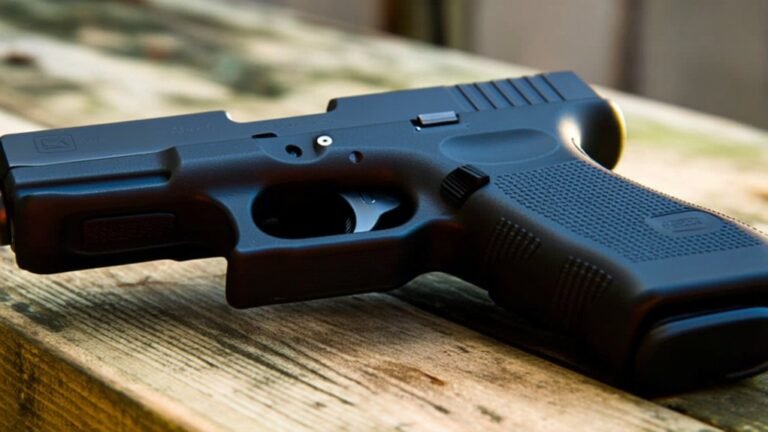
Yes, you’ll want compact, lightweight models with smooth edges, like the Glock 43 or Smith & Wesson Shield. Their slim profiles reduce discomfort and snagging, making them better suited for no-holster carry.
How Do Insurance Policies View Carrying Without a Holster?
Insurance policies often view carrying without a holster as riskier, which could affect your coverage or claims. You’ll want to check your specific policy and possibly notify your insurer to avoid surprises if an incident occurs.
Conclusion
Carrying without a holster is like walking a tightrope—you need balance, focus, and the right tools to stay safe. Just as a tightrope walker trusts their training and grip, you must choose your firearm wisely, secure it with care, and practice consistently. Remember, every step you take without proper caution can lead to a fall. Stay vigilant, respect the risks, and carry confidently, knowing you’re prepared for every challenge.