What Is a Holster and How Does It Work?
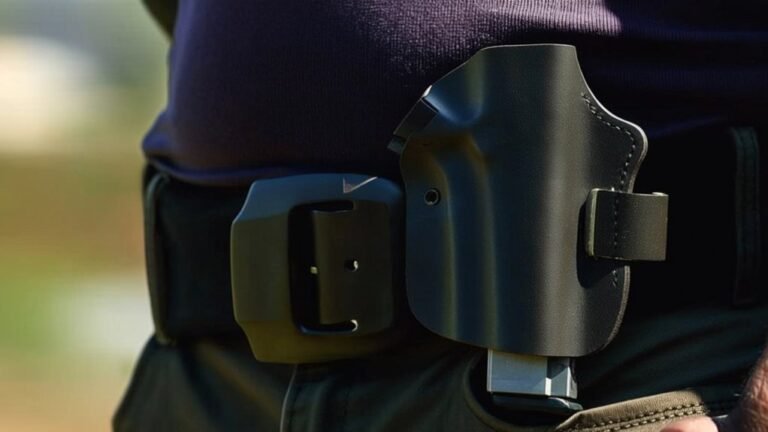
A holster is a device that holds and protects your firearm, keeping it secure and accessible when you need it. It prevents accidental drops and guarantees your gun stays in place during movement, using retention features like straps or molded shapes. You’ll find various types and materials designed for comfort, concealment, and quick drawing. Understanding how to choose and wear the right holster helps you carry safely and confidently. Explore more to find what fits your needs best.
What Is a Holster and Why Is It Important?
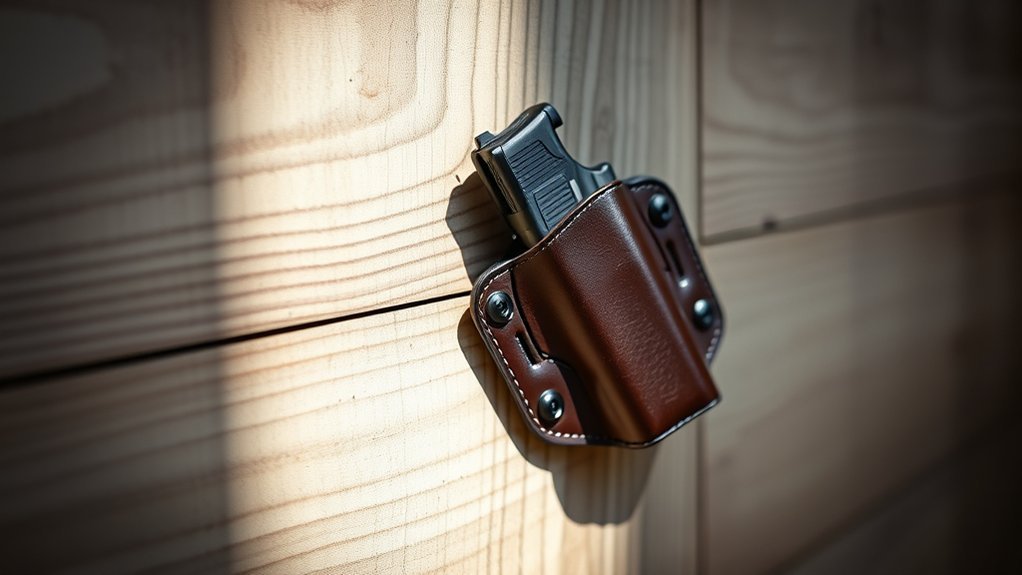
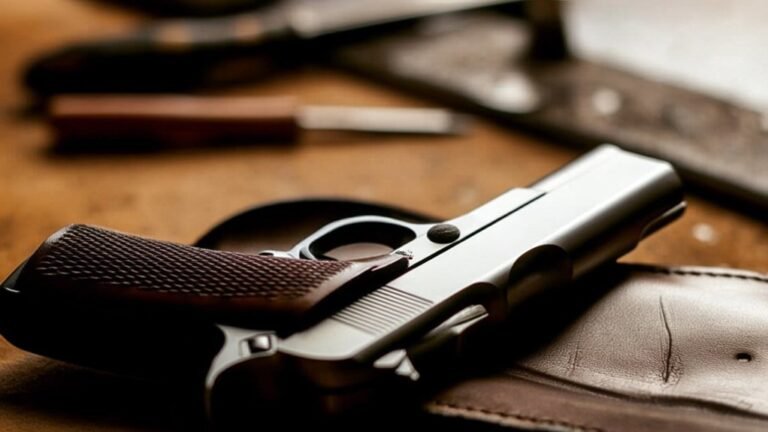
What exactly is a holster, and why should you care about it? A holster is a device designed to hold and protect your firearm when you’re not using it. It keeps your gun easily accessible while preventing accidental discharge or loss.
Whether you carry for self-defense, work, or sport, having the right holster matters.
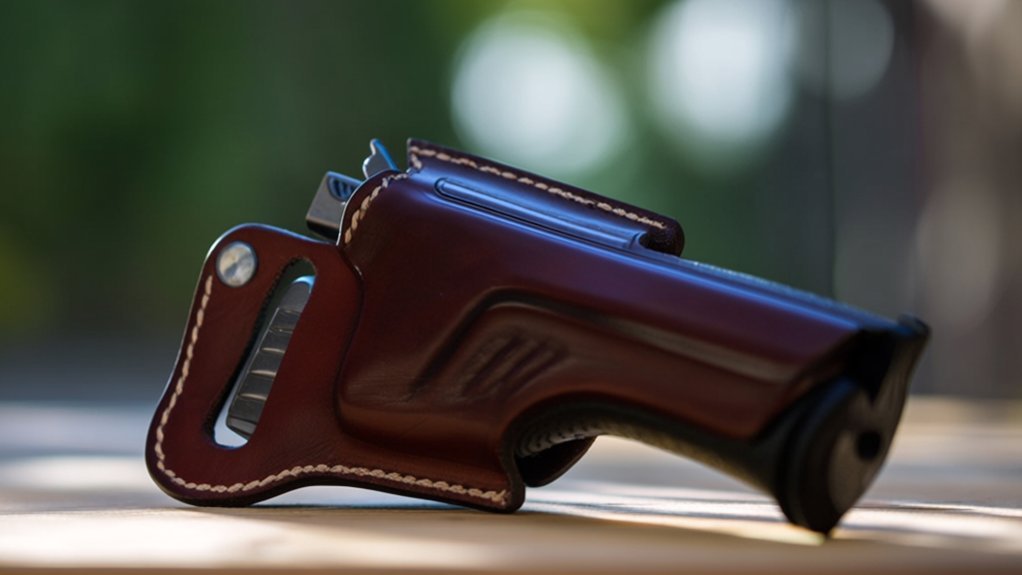
You’ll find holsters made from various materials like leather, nylon, or molded plastic, each offering different comfort and durability levels. Choosing the right one affects how quickly you can draw your weapon and how comfortable it feels throughout the day.
A properly chosen holster ensures your firearm stays in place, protects it from damage, and makes carrying safer and more convenient for you.
How Does a Holster Keep Your Firearm Secure?
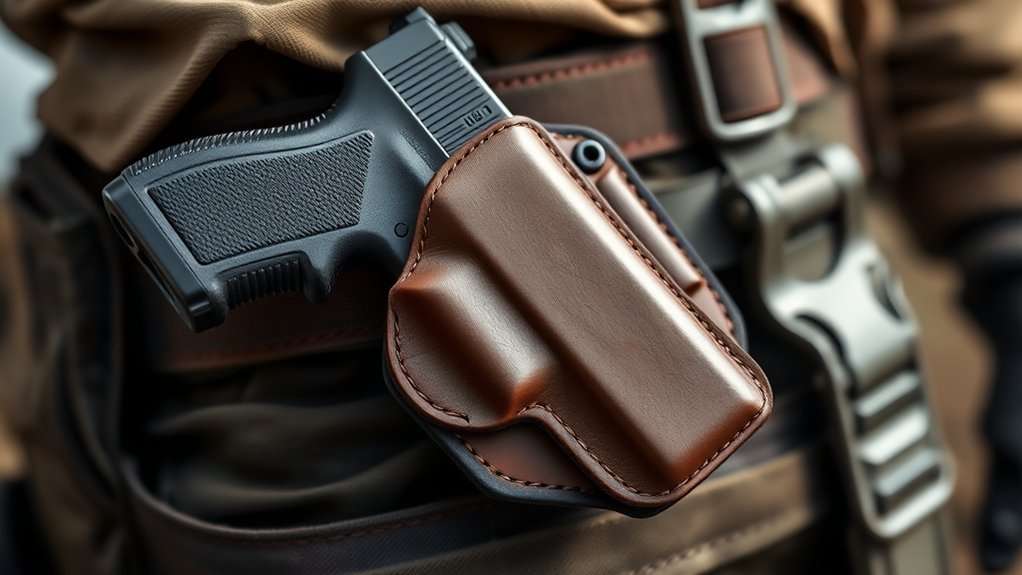
How exactly does a holster keep your firearm secure when you’re on the move? It uses a combination of design and materials that hold your gun firmly in place, preventing unwanted movement or accidental drops.
Most holsters feature retention mechanisms—like tension screws, straps, or molded shapes—that grip your firearm snugly. This means your gun stays put whether you’re walking, running, or bending.
The holster’s fit matches your specific firearm model, ensuring there’s no excess space for shifting.
Additionally, quality materials like leather, Kydex, or nylon provide both durability and a reliable grip surface.
The Most Common Holster Types Explained
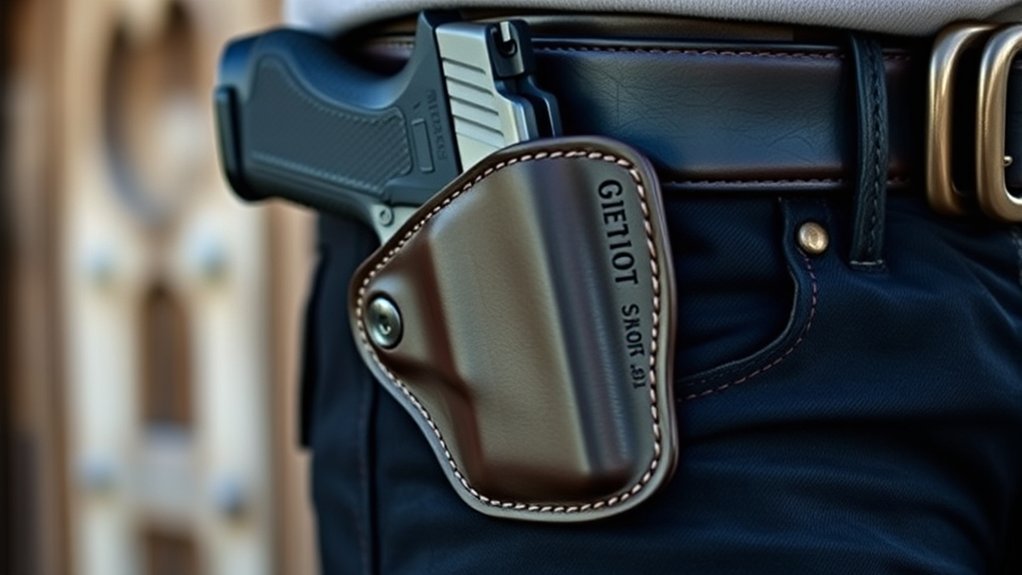
You’ll find holsters come in various styles to fit your needs and comfort. Inside the Waistband holsters keep your firearm close and concealed.
While Shoulder and Chest holsters offer alternative carry options for easy access. Let’s explore how these common types work and what makes each unique.
Inside The Waistband
Although many holster styles exist, inside the waistband (IWB) holsters remain the most popular choice for concealed carry.
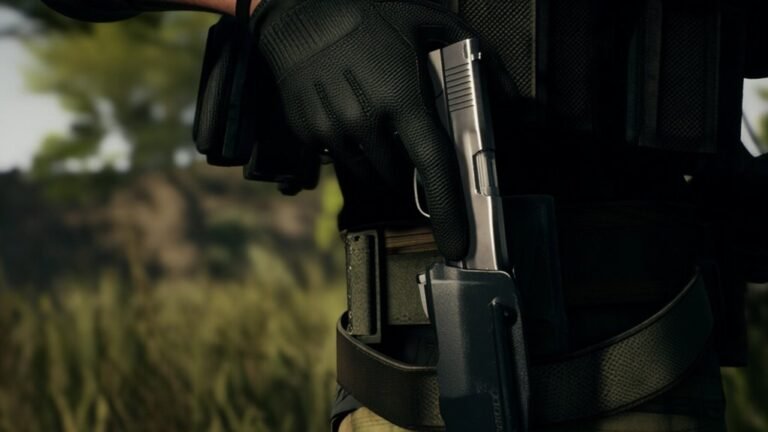
You’ll wear an IWB holster tucked inside your pants, securing your firearm snugly against your body. This positioning helps conceal your weapon effectively while maintaining quick access.
IWB holsters often feature clips or loops that attach to your belt, keeping the holster stable during movement. You’ll appreciate the balance of comfort and concealment, especially if you dress casually or for everyday carry.
Plus, many IWB holsters offer adjustable retention, letting you customize how tightly your gun fits.
Since they sit closer to your body, they reduce printing—the visible outline of your firearm—making them ideal for discreet carry.
Shoulder And Chest
When you want quick access without sacrificing comfort, shoulder and chest holsters offer a practical solution. These holsters distribute weight evenly across your upper body, making them ideal for extended wear. You can easily reach your firearm under a jacket or loose shirt, which also helps with concealment. Shoulder and chest holsters work well if you sit a lot or prefer not to carry on your waist.
| Feature | Shoulder Holster | Chest Holster |
|---|---|---|
| Accessibility | Easy access under jacket | Quick draw, visible |
| Comfort | Weight balanced on shoulders | Adjustable straps |
| Concealment | Good under loose clothing | Best with outerwear |
Choosing between the two depends on your daily activities and clothing style.
How Different Materials Affect Your Holster’s Performance
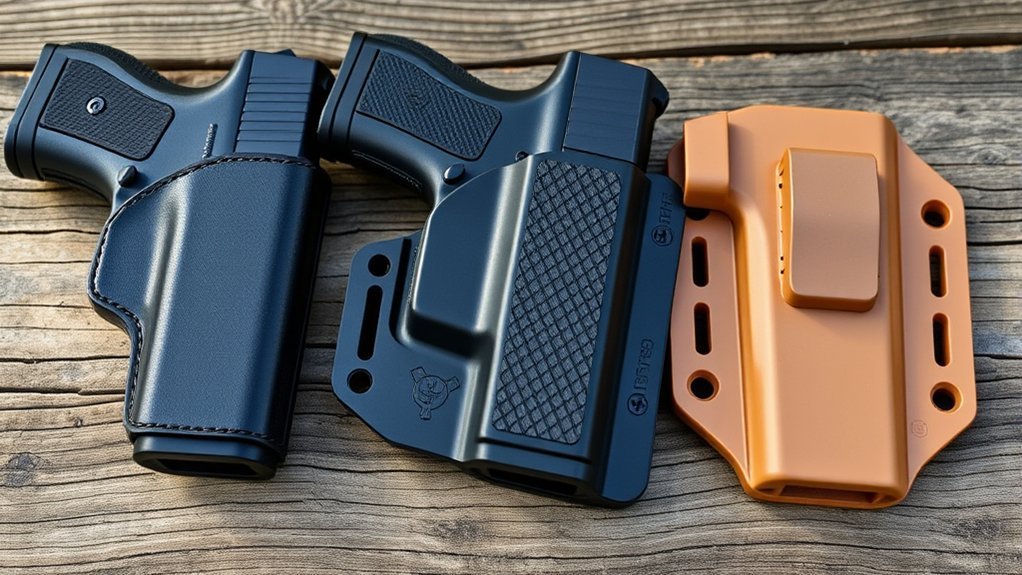
Since your holster’s material directly influences its durability, comfort, and retention, choosing the right one matters a lot.
Leather holsters offer classic style and mold to your firearm over time, providing a secure yet comfortable fit. However, they require maintenance to stay in good shape.
Kydex holsters, made from molded plastic, deliver excellent durability and quick reholstering with minimal break-in. They resist moisture and maintain shape but might feel rigid against your body.
Nylon holsters are lightweight and affordable, ideal for casual use, but they can wear out faster and offer less precise retention.
When picking your holster, consider how each material fits your daily routine and comfort needs. This way, you’ll guarantee your holster performs reliably whenever you need it.
How Holster Retention Systems Keep Your Gun Secure
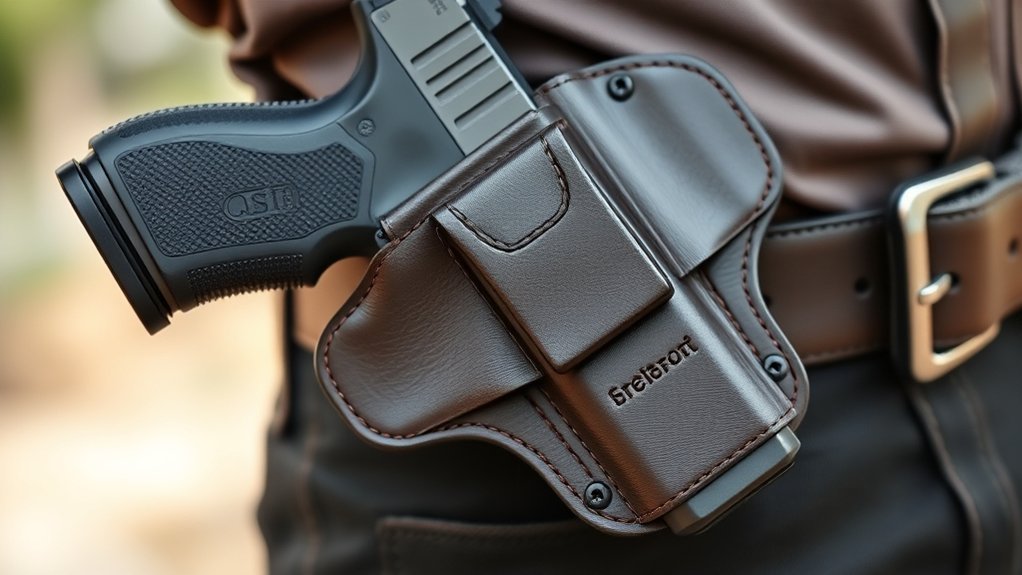
You’ll find several types of retention mechanisms designed to keep your gun secure, from thumb breaks to friction locks. These systems guarantee your firearm stays in place during movement.
But they still allow quick access when you need it. Understanding how these features work helps you choose a holster that balances security with convenience.
Types Of Retention Mechanisms
Although holsters vary widely in design, they all rely on retention mechanisms to keep your firearm secure and accessible. One common type is friction retention, where the holster’s material grips your gun snugly, preventing unwanted movement.
You’ll also find strap retention, which uses adjustable straps or snaps to lock the firearm in place, adding extra security.
Another popular option is thumb break retention, allowing you to release the gun quickly with your thumb while keeping it secured otherwise.
Some holsters feature active retention systems like locking devices that require pressing a button or lever to draw the weapon.
Each mechanism balances security and accessibility differently, so you can choose what fits your comfort and safety needs best.
Benefits Of Secure Holsters
When you rely on a secure holster, you guarantee your firearm stays firmly in place, reducing the risk of accidental drops or unauthorized access. These retention systems give you peace of mind, knowing your gun won’t slip out during physical activity or quick movements.
You’ll also appreciate how they prevent someone else from easily grabbing your weapon, enhancing safety in crowded or unpredictable environments. Secure holsters allow for smooth, confident draws because you control when and how your gun is released.
Plus, they protect your firearm from damage by keeping it snug and stable. Ultimately, investing in a holster with a reliable retention system means you can focus on your task, knowing your firearm is both accessible and secure at all times.
How to Choose the Right Holster for Your Carry Style
Since every carry style demands different levels of accessibility and comfort, choosing the right holster means matching it to how you carry your firearm. You want a holster that fits your daily routine and guarantees safe, quick access.
Consider these key factors:
- Carry Method: Whether you carry concealed or openly, pick a holster designed for that style. Some holsters are slimmer for concealment, while others offer easier access for open carry.
- Material: Leather, Kydex, or nylon each provide different levels of durability and comfort. Choose based on your activity and weather conditions.
- Retention: Depending on your environment, select a holster with adjustable retention to keep your firearm secure without sacrificing draw speed.
Matching your holster to your carry style improves comfort, security, and readiness.
How Holster Placement Impacts Accessibility and Comfort
Where you place your holster affects both how quickly you can access your firearm and how comfortable it feels throughout the day.
You’ll find common options like inside the waistband, outside the waistband, or ankle carry, each with its own trade-offs between accessibility and comfort.
Your body shape, clothing, and daily activities all play a role in deciding the best placement for you.
Common Holster Placement Options
How you position your holster directly affects both how quickly you can access your firearm and how comfortable it feels throughout the day. Choosing the right placement is key to balancing these aspects.
Here are three common holster placement options:
- Inside the Waistband (IWB): Worn inside your pants, this offers great concealment and quick access. However, it can feel tight if not positioned well.
- Outside the Waistband (OWB): Attached outside your belt, it’s more comfortable for prolonged wear and easier to draw from. But it is less concealable.
- Appendix Carry: Positioned at the front of your waistband, it provides very fast access. However, it may require some adjustment for comfort during movement.
Each option has its own benefits, so pick what suits your daily activities best.
Accessibility Versus Comfort Trade-Offs
Although you want your holster to provide quick access to your firearm, you also need it to feel comfortable enough for daily wear. Placement plays an essential role in balancing these needs.
For example, a holster worn on your hip offers fast draw times but might feel bulky when sitting or bending. Conversely, carrying it inside the waistband can increase comfort by keeping the firearm closer to your body, but it may slow your access slightly.
You’ll find that some spots put less strain on your body but require more practice to draw smoothly. Ultimately, you must weigh how often you’ll need to access your weapon against how much discomfort you’re willing to tolerate throughout the day.
Finding the right compromise enhances both safety and usability.
Factors Influencing Placement Choice
Because every shooter’s needs and body type differ, several factors influence where you should place your holster. The right placement balances quick access with comfort, ensuring you can draw smoothly without discomfort during daily wear.
When deciding, consider these key factors:
- Body Shape and Size – Your torso length, waist circumference, and mobility affect how the holster sits and feels.
- Clothing Style – The types of clothes you wear regularly can limit or expand your placement options.
- Dominant Hand and Drawing Technique – Positioning should complement your natural draw to maximize speed and efficiency.
Key Features for Everyday Holsters
When choosing an everyday holster, you’ll want to focus on features that offer both comfort and security. A good holster should keep your firearm stable while allowing quick access. Look for materials that suit your lifestyle, whether leather for durability or Kydex for retention. Adjustable retention guarantees your weapon stays put without being too tight. Comfort is key, especially if you wear it all day.
| Feature | Benefit |
|---|---|
| Material | Durability and comfort |
| Retention | Keeps firearm secure |
| Adjustable Fit | Customizes comfort and security |
| Concealment | Helps keep your firearm hidden |
These elements make daily carry practical and safe.
How to Properly Wear and Attach a Holster
Choosing the right holster is only part of the equation; you also need to wear and attach it properly to guarantee safety and accessibility. Start by positioning your holster where you can easily reach your firearm—usually on your dominant side at the hip or appendix carry.
Secure the holster firmly to your belt or waistband to prevent movement during activity. Ensure your firearm is fully seated in the holster and that retention mechanisms are engaged to avoid accidental falls.
Here are three key steps to properly wear and attach your holster:
- Adjust the holster angle (cant) for a natural draw.
- Fasten the holster tightly to your belt or pants.
- Check retention and accessibility before moving.
Following these steps keeps your firearm both secure and ready when you need it.
Tips for Maintaining and Caring for Your Holster
To keep your holster functioning smoothly and extending its lifespan, you’ll need to maintain it regularly. Start by cleaning your holster with a soft cloth to remove dirt and debris.
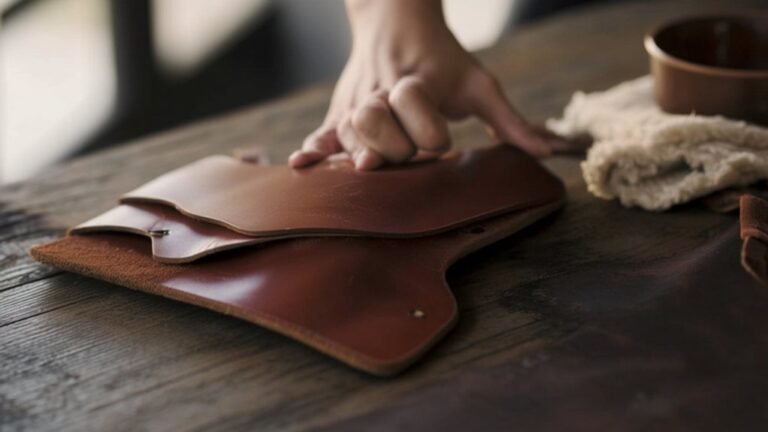
For leather holsters, use a specialized leather cleaner and conditioner to prevent drying and cracking.
If your holster is made of Kydex or polymer, warm soapy water works well—just make certain it’s completely dry before use.
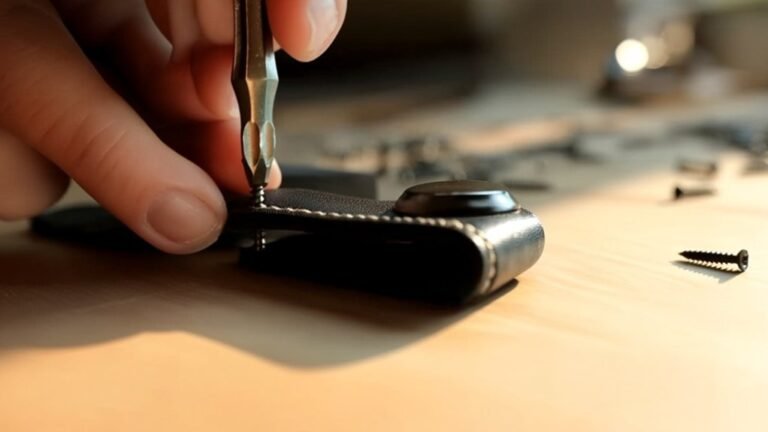
Check for any loose screws or rivets and tighten them as needed.
Store your holster in a cool, dry place away from direct sunlight to avoid material damage.
Common Holster Mistakes and How to Avoid Them
Although holsters seem straightforward, many users make avoidable mistakes that compromise safety and comfort. To get the most from your holster, watch out for these common errors:
- Choosing the wrong fit: A loose holster risks your firearm falling out, while one that’s too tight makes drawing difficult. Always pick a holster designed for your specific gun model.
- Ignoring retention features: Skipping retention mechanisms can lead to accidental draws or drops. Use holsters with proper retention to keep your firearm secure.
- Poor positioning: Wearing your holster in an uncomfortable or unsafe spot can hinder quick access and cause discomfort. Find a position that balances accessibility and comfort.
Frequently Asked Questions
Can Holsters Be Used for Non-Firearm Tools?
Yes, you can use holsters for non-firearm tools like multitools, flashlights, or knives. They keep your gear secure and accessible, letting you carry essential items hands-free and ready for quick use whenever you need them.
Are Holsters Legal in All States and Countries?
You’ll find holsters are legal in most U.S. states, but not all—around 10 states have restrictions. Internationally, laws vary widely, so you’ll want to check local regulations before carrying one to stay compliant and safe.
How Do Holsters Affect Firearm Accuracy When Drawing?
Holsters can improve your firearm accuracy when drawing by securing your weapon firmly, allowing a smoother, quicker draw. A well-fitted holster reduces movement, helping you maintain control and aim more precisely under pressure.
Can Holsters Be Customized for Specific Firearm Models?
Think of a holster as a tailored glove for your firearm—it fits snugly, enhancing your grip and draw. Yes, you can customize holsters for specific models to guarantee perfect comfort, security, and quick access every time.
What Accessories Can Be Added to a Holster?
You can add accessories like magazine pouches, flashlight holders, sweat guards, and retention straps to your holster. These enhance functionality, comfort, and security, letting you customize your carry setup to fit your specific needs and preferences.
Conclusion
Think of your holster as the trusted guardian of your firearm, always ready yet safely tucked away. It’s more than just a holder—it’s the bridge between safety and quick action. By choosing the right type, material, and fit, you guarantee your firearm stays secure and accessible, like a loyal companion at your side. Treat it well, wear it right, and avoid common pitfalls—your holster will protect you as much as you protect yourself.